
A guest reports that the building entrance is not working, and the apartment owner asks the operator when a repair service will arrive. Meanwhile, the operator manages the apartment rental, while the entrance doors are handled by a company selected by the building administration. Without prior arrangements, the report may be passed from one person to another, even though each is carrying out their part of the work.
How should the management of apartments and a building’s common areas be divided? The best approach is to set out specific areas and tasks: who receives the information, who commissions the work, who carries it out, and how the cost is settled. Entrusting the rental of an apartment does not mean entrusting the entire building. Cooperation can be agreed where these scopes meet, while management of the common property remains with the existing organisation.
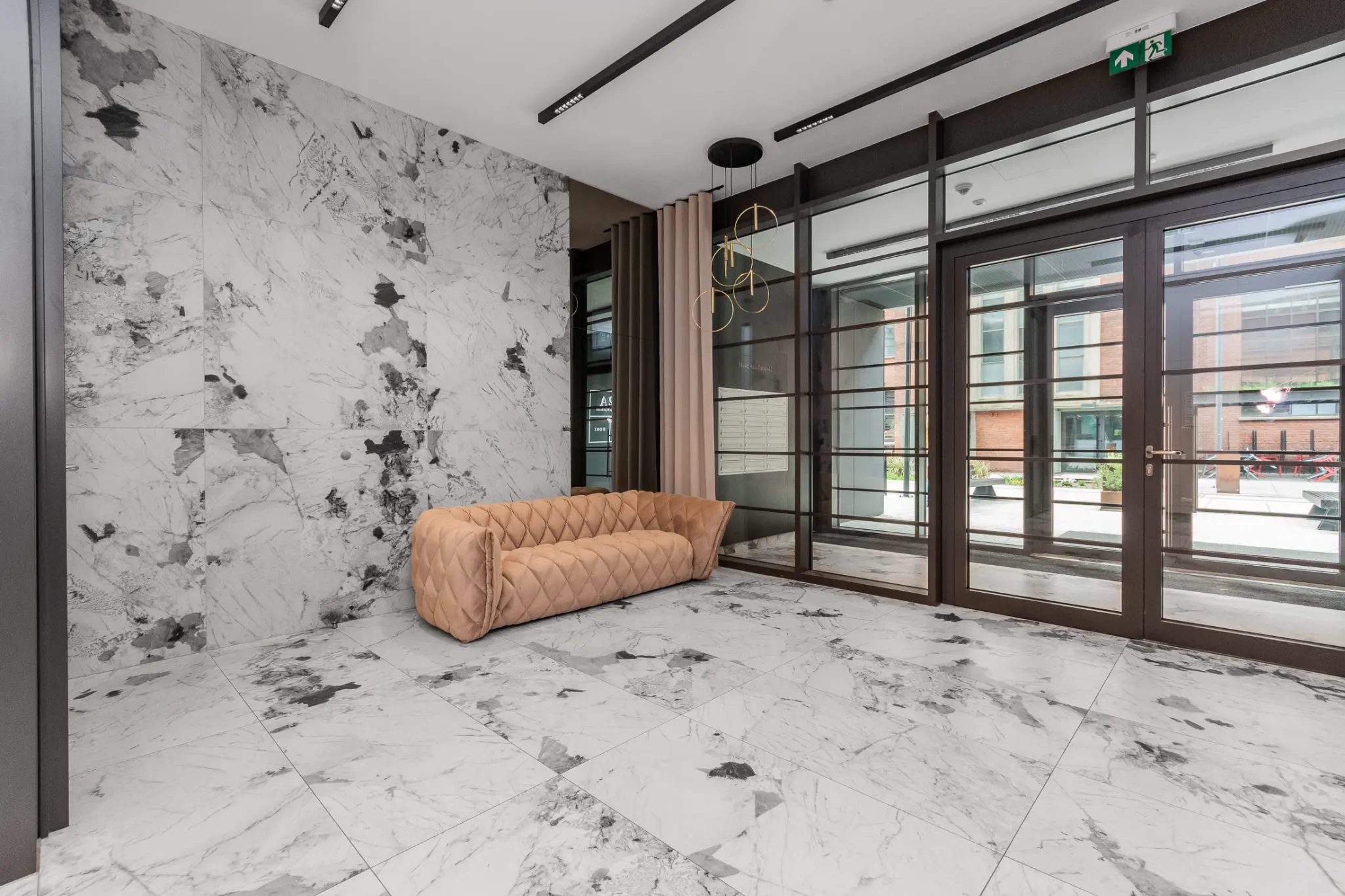
Start with the boundary of the apartment, not the name of the development
In a building with separately owned units, the common property comprises the land and those parts of the building and equipment that are not intended for the exclusive use of unit owners. The management of the common property is a separate matter, addressed in the Act on Ownership of Premises. A rental-management contract should therefore not be treated as an appointment to manage that common property.1
To organise the work, start with the building plan and the apartment’s documents. Mark the apartment, the route to it, the entrance, the lift, and the spaces used by guests. A balcony, parking space, or installation running through the apartment requires a review of the documentation; the location of an element alone is not enough to determine responsibility. Discuss legal questions with a lawyer and technical questions with the relevant specialist.
List the tasks instead of writing “building management”
A general description of the scope leaves too much room for different interpretations. “Looking after the entrance” could mean passing information on to guests, cleaning the vestibule, or repairing the lock. These are three different tasks, and they do not necessarily have to be assigned to the same company.
For each area, prepare a brief description covering:
- exactly what the task includes and excludes;
- who receives a report and passes it on;
- who approves the expense and commissions the contractor;
- who pays and receives the settlement document;
- who confirms completion and informs the people concerned.
For example, you could agree that the operator passes a report concerning the entrance to the building administration and informs the guest of the confirmed status. This does not authorise the operator to order a new lock at the building’s expense. An offer for building management can be a starting point for a separate discussion, but it does not replace arrangements for a specific property.
Distinguish between the contractor, coordinator, and decision-maker
The apartment owner, rental operator, building administration, and service company may all be involved in one matter, but in different roles. Naming those roles helps avoid the expectation that the person answering the phone will decide on their own how to deal with every fault.
Under arrangements agreed for an apartment, the owner may approve certain expenses related to the unit, while the operator organises work within the scope entrusted to them. For common areas, identify the person authorised to make decisions under the rules of the particular building. The service technician carries out the work order; they should not be left to decide whom to charge.
If a developer coordinates the preparation of several units, it is worth separately agreeing who will update the contact details and approve further action after the units are handed over. Do not assume that the existing contact will remain the right person for every matter.
Agree on how reports are handled where the two scopes meet
The most uncertainty arises when a problem is visible in an apartment, but its cause may lie outside it. If there is no water, do not immediately assign the repair to the apartment or to the common areas. First, establish how widespread the issue is and identify the appropriate contact, without attempting to interfere with the installations yourself.
In a hypothetical building, the operator receives a report from a guest, passes the details to the administration, and arranges any necessary access to the apartment with the owner. The administration refers the matter to its contractor for areas it is responsible for. The operator can then pass confirmed information on to the guest. This cooperation does not mean taking over repairs to the building’s installations.
The arrangements should also specify what to do if the primary contact does not respond. Do not include a response time that the relevant party has not confirmed.
Cleaning the apartment and the lobby are two different jobs
A team preparing the apartment after a stay walks through the corridor, but that alone does not make it responsible for keeping the corridor clean. Specify separately which surfaces are included, how often they are cleaned, and how to report additional needs. This helps avoid both tasks being overlooked and two contractors being paid for the same work.
If you are considering technical support and cleaning, discuss the boundaries of the work for the apartment and any additional areas. If the lobby gets dirty while furnishings are being brought in, report it to the appropriate party and agree on how it will be cleaned. It should not automatically be treated as part of the apartment’s standard cleaning. Agreeing who bears the cost is a separate matter if the cause of the mess is unclear.
Assign the cost and close out the matter just as precisely
Reporting, carrying out the work, and settling the cost are separate stages. The owner should know whether a particular task is covered by the agreed management service or requires additional approval. For a report concerning a common area, specify who will confirm the basis for charging the expense before it is allocated to the apartment.
Keep a simple record of the matter: what it concerned, who it was passed to, what was approved, and what outcome the contractor confirmed. The owner does not need several conflicting messages from different people. They need clear information on whether the task has been completed or is still awaiting a decision from another party. Details of responsibility, authorisations, and costs are agreed individually under the terms of cooperation.
Several apartments do not mean taking over the property
For a portfolio of units in one building, a shared contact list and an agreed reporting route help organise the work. This does not automatically change the scope of responsibility for the lobby, garage, or lift. GrandRent can also manage entire buildings and common areas, but under separate terms. The presence of apartments in an offer or photos of a development does not confirm that such management has been entrusted.
Everyday work within the rental-management scope is described in the guide to the day-to-day management of an apartment in Brabank. The key here is to establish where that scope ends and who to work with beyond it.
Do you have a specific apartment or several units and want to clarify how the tasks are divided? Talk to GrandRent about managing them, and show us the building documents and the existing service scopes. The initial conversation about entrusting rental management is free of charge. The scope and cost of any further services are agreed individually.
Technical sources
The article explains the rules and questions you should ask the operator. Rental results and cooperation terms require analysis of the specific apartment.