
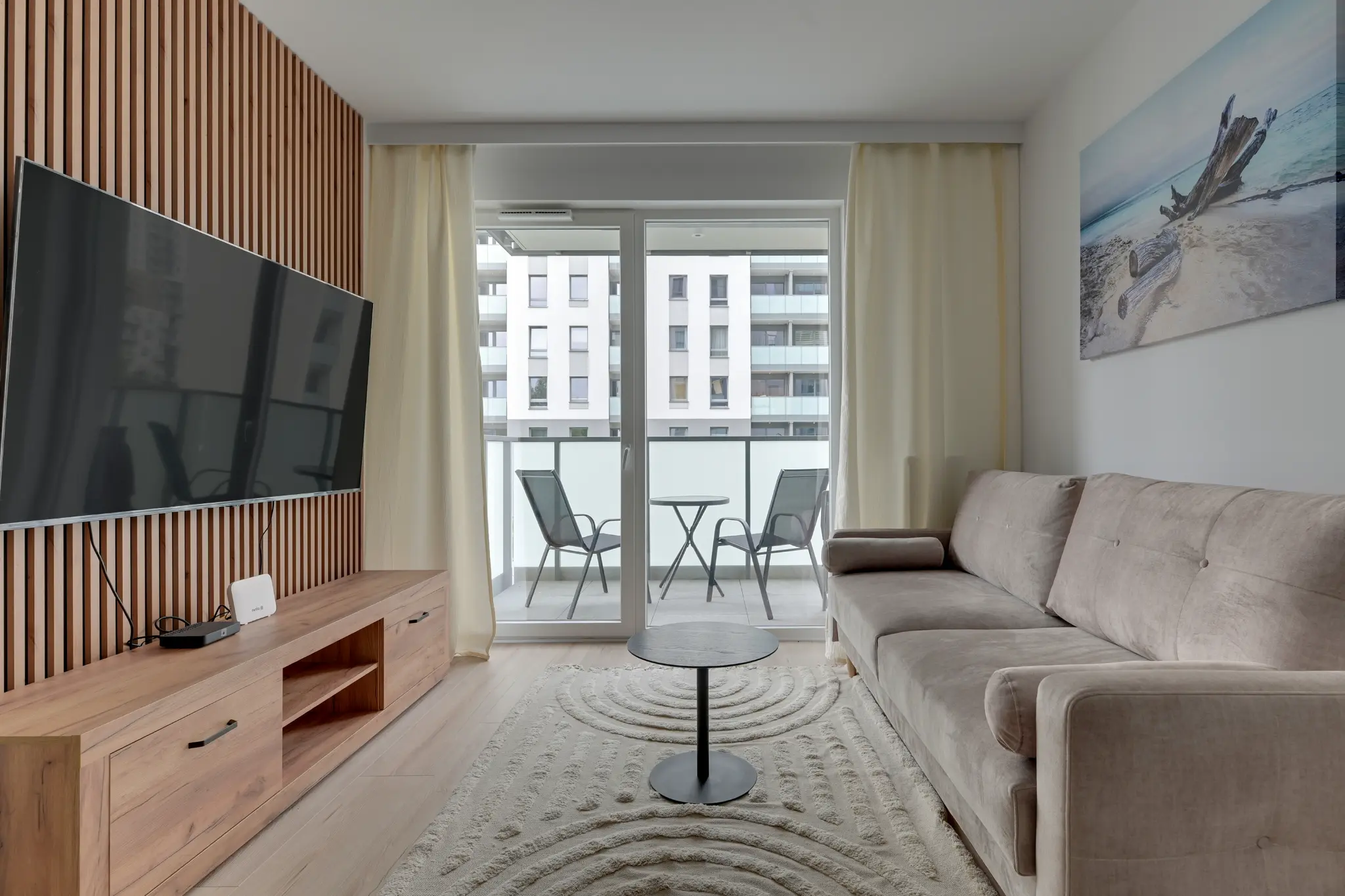
The sofa looks worn, the curtains let in light, and the living room could use a refresh. But the apartment owner only has the budget for one change. Where should they start? Not with the most attractive purchase or the lowest price, but with the problem that most interferes with using or managing the property.
Choose the first upgrade by comparing three things: how significant the problem is, the full cost of addressing it, and how long the apartment will be unavailable for rent. First, set aside anything that requires an urgent technical assessment. Compare the remaining ideas in the context of this particular apartment. The aim is a justified improvement in usability, not a promise of higher revenue.
Name the problem before choosing a product
“We need a new sofa” is a purchase proposal, not a description of a need. Is the current sofa uncomfortable, damaged, difficult to prepare between stays, or simply not to the owner’s taste? Each answer points to a different decision. In one case, it may be worth checking whether it can be repaired; in another, considering a replacement; and in another, postponing the expense.
Gather observations from inspections, recurring reports, and feedback from the people who prepare the apartment. One comment alone should not determine whether to renovate. If reviews are your starting point, use insights from reviews rather than analysing how to respond to a guest again. The question here is: what specific problem is the expense meant to solve, and how will you know it has been resolved?
Separate essential repairs from upgrades
A suspected fault that could pose a safety risk is not in competition with new curtains. It requires an assessment by an appropriate specialist and a decision about how the property can be used going forward. Do not try to resolve such matters based on a photo or online instructions. Only after the technical condition has been clarified can you calmly set priorities for the other expenses.
In a routine comparison, give the apartment’s essential functions priority over decoration. If the sleeping arrangements are not suitable for comfortable use, changing the picture above the sofa does not address the problem. However, that does not automatically mean buying the most expensive piece of furniture. First check whether a smaller intervention will suffice, and compare its scope with replacing the entire item.
Cost the job, not just the purchase price
The price in the shop is only the starting point for comparison. Work out the final cost, including delivery, carrying items in, installation, removal of old furnishings, and preparing the apartment after the work. Also ask whether the change requires any additional items. New curtains may involve more than buying the fabric: measuring and adapting the fixtures may also be needed.
Ask for a quote for a clearly defined job. “Refreshing the living room” leaves too many unknowns; replacing specified furnishings, including installation, makes it easier to compare proposals. Do not commit your entire available budget if some costs have not yet been established. Set funds aside for those items or clarify them before placing the order.
For changes involving the layout, proportions, and several related elements, consider interior design. This is a separate scope of work to be agreed on, not a reason to remodel the entire apartment every time a small improvement is needed.
Compare downtime against the property’s calendar
A cheaper job is not always easier to organise. Check the delivery date and the contractor’s availability, then allow time for installation, cleaning, and inspection. The crew finishing the work does not necessarily mean the apartment is ready for guests to arrive.
Compare actual available windows in the calendar, not just a promise that “we’ll do it quickly”. Agree with the person managing the rental when the property will be unavailable and who will confirm it is ready. Take existing bookings into account before commissioning the work. If the timing is uncertain, do not base your plan on installation just before the next stay.
Record downtime separately from the cost of the furnishings. Do not treat it as a definite loss of revenue based only on the nightly rate: being unable to take bookings does not prove that a particular stay would have been booked.
Choose one change that meets a need
Suppose, hypothetically, that a problem with blocking out the window has been confirmed in the bedroom. The sofa is in good working order, but the owner dislikes its colour, and the only purpose of the rug is to change the look of the living room. With a limited budget, choosing a window covering could be the first task. Not because curtains always come first, but because, in this example, they address an identified problem.
For each of the two or three ideas under consideration, briefly answer:
- What exactly is causing difficulty, and what is the basis for that assessment?
- Will this change solve the problem or only improve the appearance?
- What will the entire job cost, and which items have not been priced?
- When can it be done and the result checked without conflicting with stays?
If two proposals address needs of similar importance, choose the one with the more predictable cost and timing. Make a note of the others for later. This comparison does not require seemingly precise scoring or a return forecast.
Specify the product and acceptance criteria
Describe even a small change before placing an order. Set out the dimensions, intended use, and cleaning requirements according to the manufacturer’s information. Do not replace these details with “something durable and attractive”. The person making the purchase and the contractor should understand the job in the same way.
When it comes to lighting, the lamp’s appearance alone does not describe the result. The colour rendering index, or CRI, indicates how a light source affects the appearance of colours 1. If you are changing a lamp, also check how its light looks in the room, and leave any work involving the electrical installation to a specialist. Do not assume that an attractive product in a photo will solve the reported problem.
The acceptance criteria should relate to the original need: after installation, check how well it is addressed in actual use. That is a better way to complete the job than simply confirming delivery.
Assess the result and discuss the next step
After the change, revisit your earlier observations. Is the problem still occurring? Has the management team reported a new difficulty? Keep a record of the cost and scope of the work so the next decision is not based on memory and guesswork. Do not automatically attribute every subsequent change in rental performance to the upgrade. To assess the property financially, it helps to distinguish turnover from the owner’s payout.
Would you like to discuss preparing your apartment for management by GrandRent? Bring photos, a list of the problems you have noticed, and information about your available budget. Arrange a conversation about your specific property. The initial conversation about entrusting us with rental management is free of charge; the scope and costs of any additional services are agreed separately.
Technical sources
The article explains the rules and questions you should ask the operator. Rental results and cooperation terms require analysis of the specific apartment.