
You’re buying an apartment that was previously used by the developer to showcase the investment. The interior is furnished, the photos look convincing, and the handover date seems close to the start of the rental period. But one question remains: are you taking over a property that is ready to use, or primarily an attractive display?
Before launch, check what will actually remain in the apartment, add the equipment needed for the planned number of guests, and test everyday tasks without help from someone showing you around. This does not mean replacing the entire interior. First, distinguish the elements that give the space its character from those that make guests’ stays or property operations more difficult. Then decide what needs to change.
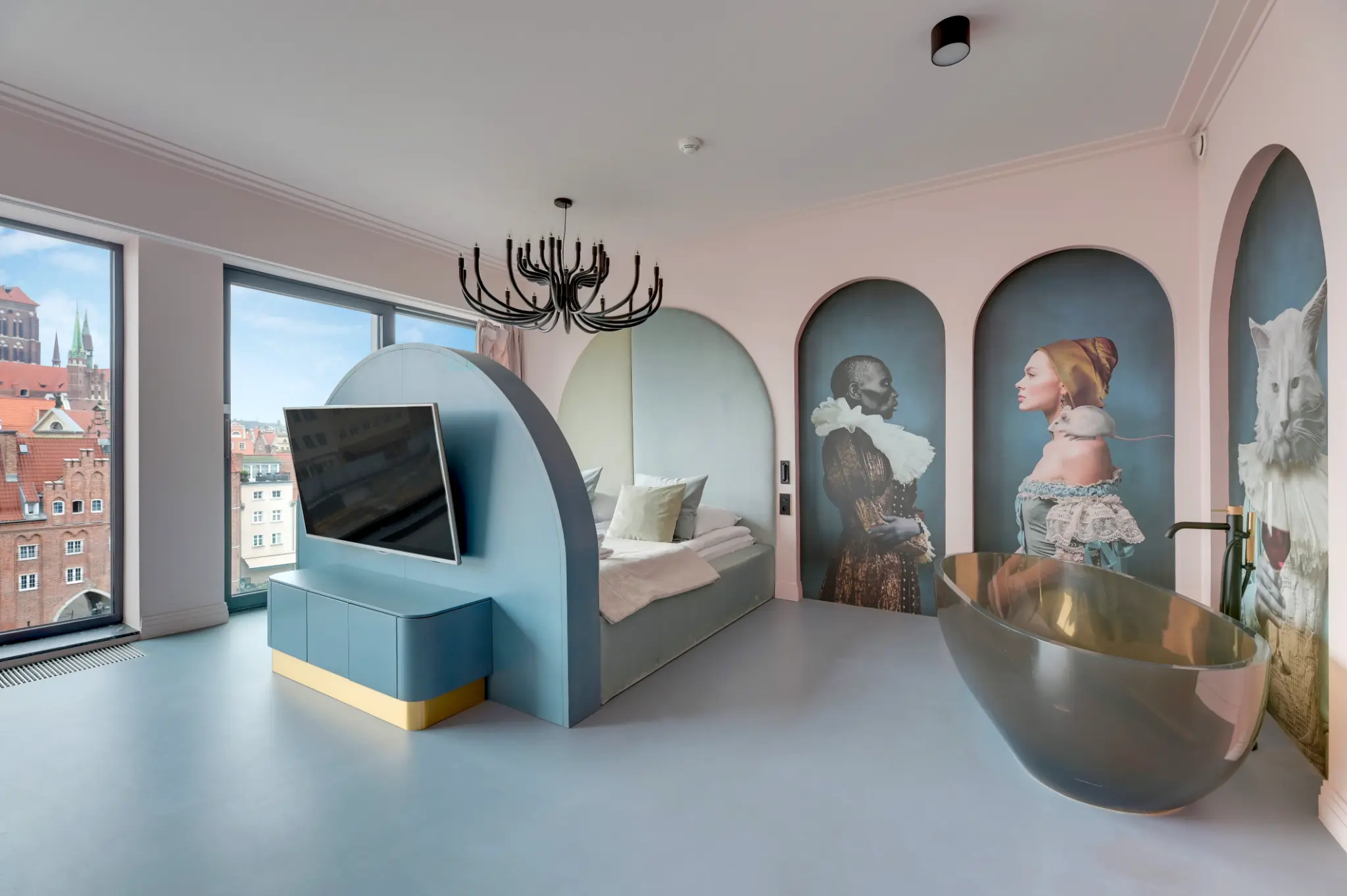
Establish what comes with the display
Start with an inventory of the furnishings, rather than ordering more accessories. Ask for a clear list of which furniture, appliances, lights and decorations are included in the handover. Also clarify the status of items shown during the presentation: will they stay, be removed or be replaced? It is worth recording what has been agreed, with photographs and the specific model details where relevant.
Don’t judge whether the apartment is fully equipped by how the rooms look. A TV on the wall doesn’t tell you whether there’s a remote, how it is set up or whether a guest can use it. A fitted kitchen doesn’t tell you what is in the drawers. Check inside cupboards and storage spaces. At handover, also ask for appliance manuals, purchase documents and information about materials that require special care.
Keep the character, remove the obstacles
In a show apartment, a striking light fixture, unusual built-in furniture or a decorative wall may be an important part of the design. There’s no need to remove them just because the property is changing purpose. Assess each such feature in two situations: while guests are staying and while the apartment is being prepared for the next guests.
Is there somewhere for a guest to put their phone and glass, or do they have to move a decoration first? Is it easy to get to the bed with a suitcase? Can the cleaning team reach the surfaces behind the furniture? The answers help distinguish a feature worth keeping from an obstacle that needs to be addressed.
If the changes involve the layout, built-in furniture or lighting, discuss interior design rather than buying random replacements. Taking over the management of a property does not mean taking authorship of its existing design; any redesign should be agreed separately.
Add what’s needed for a stay, not for a photo
First choose the intended type of use: short-term rental or longer stays, and the number of people the property is to accommodate. Only then assess what is in the cupboards, kitchen and bathroom. The number of sleeping places should also be reflected in the number of seats at the table, dishes and textiles.
Imagine a hypothetical apartment for four where the display includes two attractive place settings. The problem isn’t the style of the plates, but the lack of a full set for a shared meal. Likewise, a decorative cushion is no substitute for the items needed to equip a bed. In its recommendations on essential amenities, Airbnb lists, among other things, a towel and pillow for each guest, and bed linen for each guest bed 1. This is guidance from that platform, not a complete shopping list for every rental model.
We discuss general furnishing mistakes in a separate guide. Here, the key is to check the difference between what was presented to the buyer and what the person using the property needs.
Run through everything without a guided tour
A presentation takes place with help from someone familiar with the interior. Guests should be able to use it independently. Before launch, walk through the steps from entering the apartment to unpacking your luggage, prepare a simple meal and check the evening lighting. Also test the window coverings, access to power outlets and how to operate the appliances in accordance with their manufacturers’ instructions.
In a hypothetical property, an impressive lighting system may work correctly but have confusing controls. Rather than replacing it straight away, check whether a brief explanation would be enough. If using it still requires lengthy instruction, consider simplifying it with a qualified contractor.
Separately, run through the process of preparing the property after a stay. Remove the textiles, check access to areas that need cleaning and decide where supplies will be kept. Don’t store them at the expense of all the space intended for guests’ belongings.
Separate additional items from technical issues
A lack of dishes can be resolved by buying some. Concerns about installations, how equipment is secured or whether appliances work should not be treated as another decorating task. Ask the appropriate specialist to assess them and establish what needs clarification before the property is used. Don’t try to modify an installation yourself based on a guide.
Make separate lists of missing equipment, any damage you have noticed and technical issues that need checking. For each task, identify who is responsible and how completion will be confirmed. This will help ensure that handover of the apartment from the developer is not confused with readiness to welcome guests. If there are several properties, repeat the check for each one rather than treating the show apartment as proof that the entire portfolio is fully equipped.
Photograph the version guests will receive
Treat the developer’s presentation materials as a point of reference, not automatically as a ready-to-use rental listing. After removing or replacing items, take photos of the property as it actually is. Also check whether you can use the earlier photographs, rather than assuming that this right comes with the purchase of the property.
The description should match the equipment available during a stay. Airbnb requires photos and descriptions to accurately represent the space being offered, and amenities to reflect what guests can use 2. So don’t show items as part of the amenities if they were removed after the presentation. Updating the listing is the final step in turning a display apartment into a rental, not a cosmetic touch-up.
Agree on the handover for management before launch
Before opening the calendar, get four things in order:
- Confirm which equipment will remain in the property.
- Complete the additions and address any issues that require a specialist’s assessment.
- Provide instructions, care information and access arrangements.
- Agree that the property is ready, define the scope of management and assign responsibility for any outstanding tasks.
If the developer or investor is preparing a larger portfolio, it is also worth discussing building management. Managing an entire building and its common areas requires separate arrangements; it is not included by handing over a single apartment.
Have a show apartment in Trójmiasto and want to establish what to change before entrusting its rental management to GrandRent? Prepare photos, an inventory of the furnishings and your planned rental model. We invite you to a no-obligation conversation about the specific property. The initial conversation about entrusting us with rental management is free; the scope and costs of any additional services are agreed individually.
Technical sources
The article explains the rules and questions you should ask the operator. Rental results and cooperation terms require analysis of the specific apartment.