
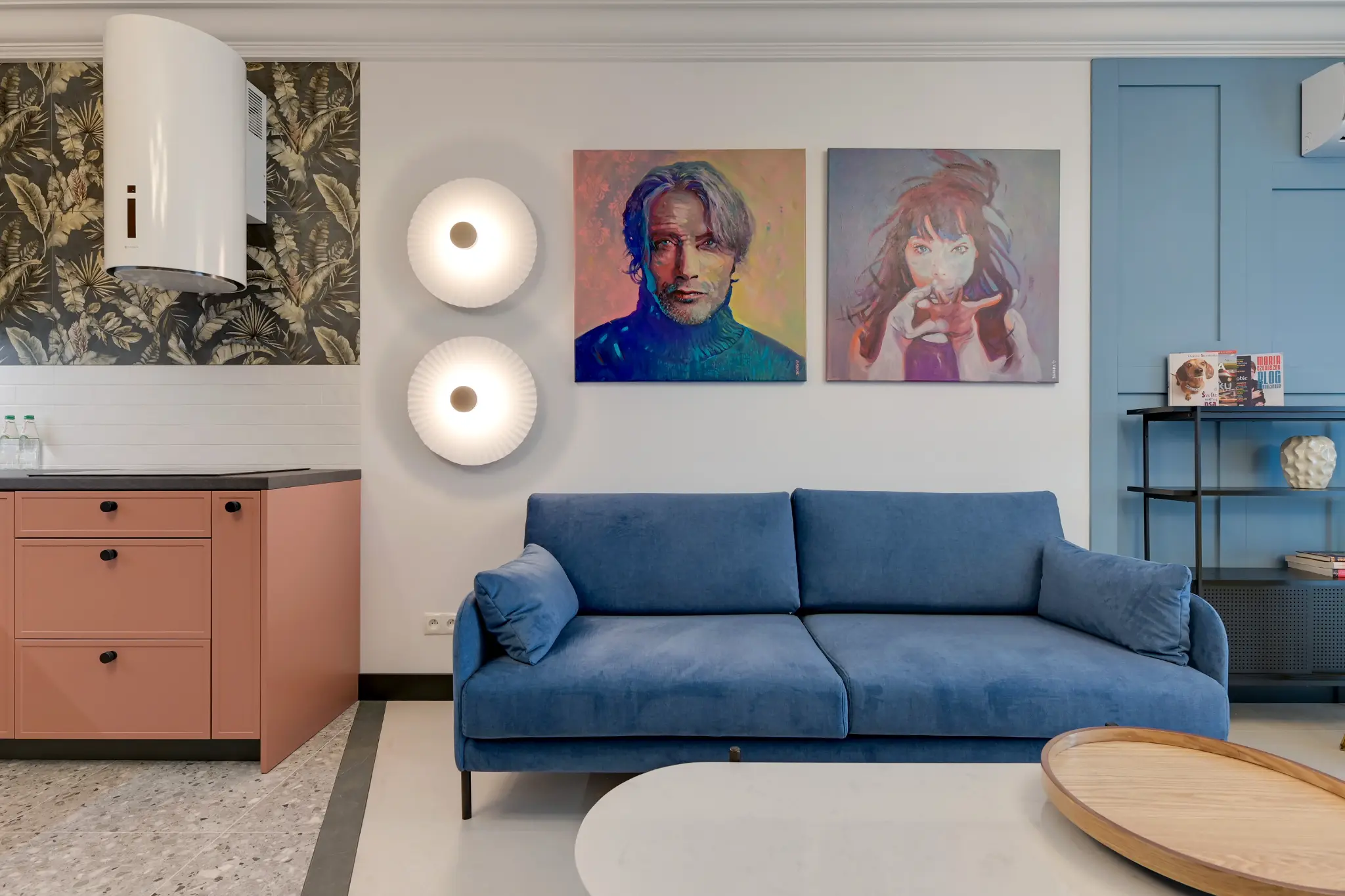
The operator suggests replacing the sofa, but you chose it precisely because it gives the apartment character. You hear that another model would be “more practical,” but you do not know exactly what is supposed to improve. It is easy for this kind of conversation to turn into a defence of your personal taste instead of an assessment of the proposal.
How can you resolve a disagreement with the operator about changing the apartment’s interior? First, identify the problem; then compare two specific options using the same criteria for use and upkeep. If neither works for both sides, look for an alternative. It is worth confirming the decision and the scope of approval in writing at the end—without treating the conversation itself as permission to make purchases.
First, establish what problem the change is meant to solve
Ask the property manager to describe the specific situation, not just give an aesthetic opinion. Is the furniture obstructing the walkway? Is it difficult to prepare for guests to use? Does the proposed change relate only to the colour scheme? These are three different reasons, and each calls for a different justification.
It is worth separating an observation from an assumption. A photo showing an open door hitting a piece of furniture says more than a general statement that the layout is inconvenient. By contrast, the belief that a more subdued colour scheme will be better received is still an opinion—not proof of future bookings.
Also explain what you want to keep: a particular colour, the option of staying there yourself, or a sentimental item. In working with a property manager, this information helps find a solution that meets the property’s needs without overlooking your preferences.
Turn personal taste into shared criteria
Instead of asking which sofa looks better, ask what each one needs to make possible. Choose a few criteria relevant to this apartment, rather than listing every possible advantage of furnishings. A short list can help:
- Use: does the option allow the room to be used comfortably for its intended purpose?
- Upkeep: what is involved in preparing it, cleaning it and accessing care instructions?
- Interior character: which features matter to the owner and should remain?
- Implementation: what needs to be ordered, moved or checked before guests arrive?
Agree on which requirements are essential and where you are willing to compromise. There is little point awarding points for a beautiful colour if the option does not fulfil the agreed function. Nor do you need to reject a distinctive piece of furniture just because the operator prefers neutral interiors.
Detailed advice on choosing furnishings is covered in a separate guide to mistakes when preparing an apartment for rental. The aim here is to agree on a decision, not to create another shopping list.
Compare two real options, not two slogans
Let us assume, hypothetically, that the owner wants to keep the current sofa, while the operator proposes a new one. Option A is to keep the existing piece of furniture and change its position. Option B is a specific replacement model. “We’ll buy something more comfortable” is not yet an option that can be assessed.
For both options, check the dimensions in the room, the stated functions and the manufacturer’s recommendations. Do not treat phrases such as “durable fabric” or “easy to clean” as confirmation that an item is suitable without information about the specific product. If a technical assessment is needed, ask an appropriate specialist rather than making a decision based on a photo.
For each criterion, note a brief conclusion: meets the requirement, does not meet it, or needs checking. The last answer is more honest than false certainty. Decide who will gather the missing information and when you will revisit the decision. This keeps the disagreement from resurfacing as an unresolved topic in every subsequent conversation.
Find an alternative that preserves an important feature
Objecting to a replacement does not have to mean objecting to solving the problem. If you care about a blue accent, an alternative might be a different model in a similar colour. If the piece of furniture itself matters most, you could first assess a different arrangement. In either case, each proposal needs to be checked against the criteria agreed in advance.
In a hypothetical disagreement about decorations, you do not have to choose between removing every picture and keeping every accessory. You could keep the pictures and reduce the number of items on the surfaces. This kind of compromise makes sense when it addresses the identified problem, rather than simply splitting the concessions down the middle.
For a more substantial change, interior design can help by comparing layouts or materials before furnishings are ordered. The scope and cost of this service need to be agreed separately.
If you still cannot agree, identify the consequences of each choice
You can decline the proposed change. If you do, ask the operator to clarify whether the current option allows them to deliver the agreed scope of service and what will remain unresolved. The point is to get specific information, not to be pressured with claims such as “everyone does it this way”.
If the disagreement is about aesthetics, you can defer the decision and revisit it during a planned refresh of the property. If it concerns a required function or a suspected hazard, it needs to be checked before further use—not settled through a compromise on colour. Do not assume that simply keeping the furnishings will make the problem go away. Record what needs clarification and who will deal with it.
Confirm the decision and the limits of your approval
After the conversation, prepare a brief summary: the option chosen, the elements that will remain unchanged, who will arrange the work, and what would require approval again. If the purchase has not yet been approved, say so explicitly. Approval of a design direction does not have to mean approval of any model, colour or cost. Check the scope of the authorisations in your agreements and terms of cooperation.
Also agree on who will check the listing after the change is made. On Airbnb, the photos and description should accurately represent the interior being offered and the amenities available.1 The platform recommends using up-to-date photos and refining information about amenities.2 So when a piece of furniture’s function changes, updating the photo alone is not enough: you should also check the description of the sleeping arrangements if they are affected.
Discuss your property, not a hypothetical renovation
When speaking with GrandRent, prepare photos of the apartment, a proposal for the change and information about what you do not want to lose from its character. It will be easier to compare options than to discuss style in the abstract. If you are considering entrusting your property to us for rental management, we invite you to a non-binding conversation about the specific apartment. The initial conversation about entrusting us with management is free of charge; other services require a separate agreement on scope and cost.
Technical sources
The article explains the rules and questions you should ask the operator. Rental results and cooperation terms require analysis of the specific apartment.