
You want to sell your apartment, but the calendar is full of upcoming stays, and an interested buyer is suggesting a viewing tomorrow. You do not need to start by putting all rentals on hold. First, agree on viewing dates with the person managing the property, check existing commitments, and decide in what condition and when the buyer is to receive the apartment.
The easiest approach is to schedule viewings between stays, allowing time for cleaning and preparing the interior. The sale date, physical handover, and arrangements for managing and settling bookings that fall within the transition period must be agreed separately. These are three different matters—it is not worth wrapping them up in a single statement: “everything transfers to the new owner.”
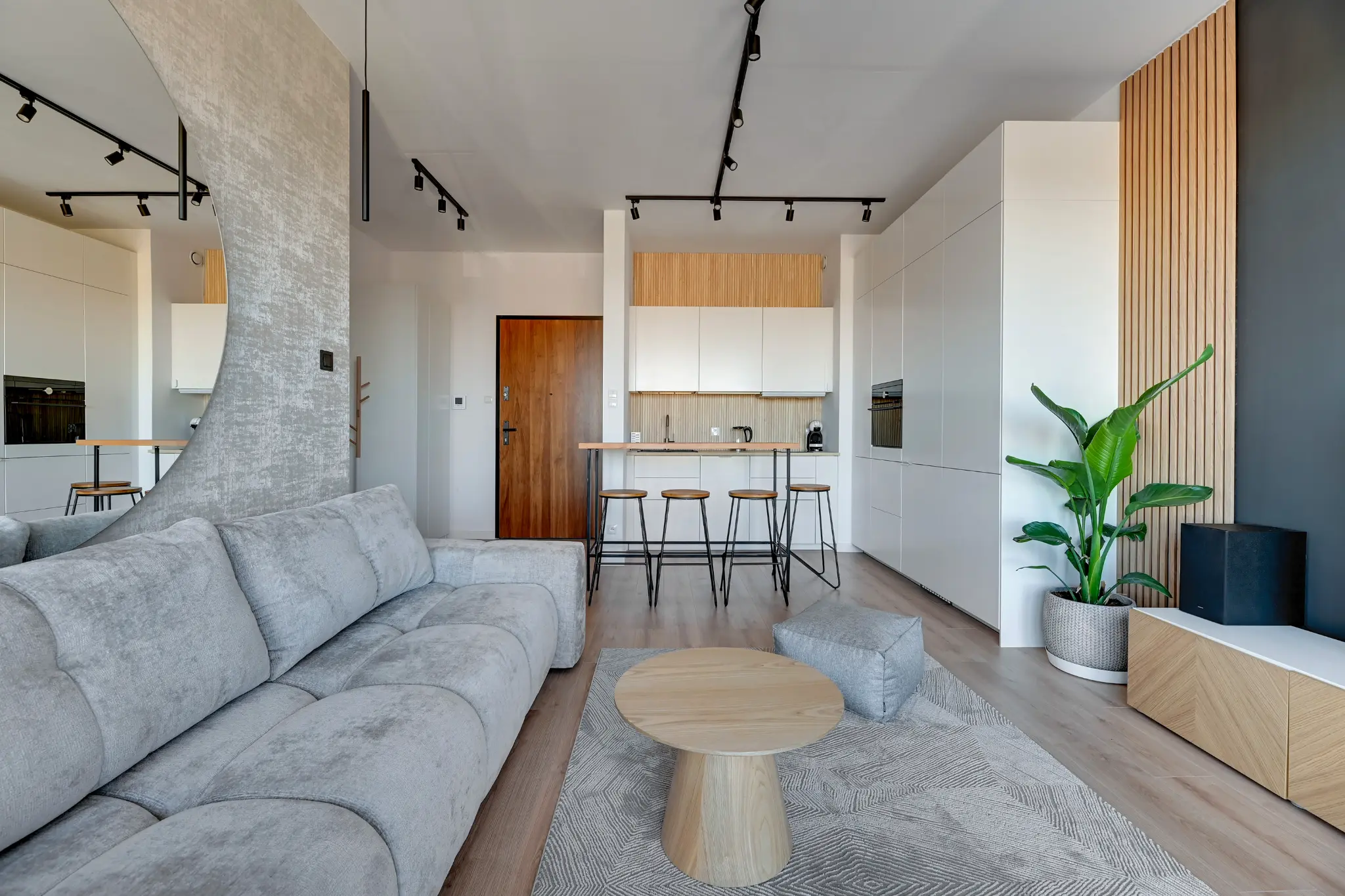
Be clear about what you are offering the buyer
Before you start showing the apartment, decide whether you are offering it furnished for continued rental or for a different use. In the first case, the buyer will need information about how stays are currently managed. In the second, the possible date when the property can be handed over without guests will be particularly important. Do not promise either option until you have checked your commitments.
Make a list of which furniture and appliances will stay and which you will take with you. Also clarify what belongs to the owner and what is provided as part of the management service. A photo of a furnished interior is no substitute for these arrangements. If you are planning to sell the property, start preparing the offer by defining the scope of the transaction, not by making claims about future revenue.
Schedule viewings around the actual rhythm of stays
Choose one person to coordinate visits. They should confirm availability with the apartment manager and give buyers the final time. This prevents the agent, owner, and cleaner from independently arranging several visits for the same time slot.
At GrandRent, owners have online access to the booking calendar, but seeing an open slot is not enough to plan a visit. You also need to allow for guests checking out, cleaning, any necessary work, and preparation for the next stay. Well-planned cooperation with the property manager helps establish when the apartment can actually be shown.
For example, if, in a hypothetical apartment, one set of guests checks out in the morning and the next arrives in the afternoon, do not assume the entire middle of the day is available. Agree on a specific time slot after the apartment has been prepared, and leave some buffer time. If the property is occupied by a tenant, the terms of the visit must be agreed with them; do not treat their absence as permission to enter.
Prepare a viewing that shows the property as it is
Before the visit, send an up-to-date floor plan, a description of the furnishings, and basic information about the apartment. This allows the buyer to assess whether the offer fits their plans before you start looking for another time. At the property, also show where supplies are stored, how to access the appliances, and any visible signs of wear—not just the most attractive angle of the living room.
Do not schedule a photo shoot or viewing while guests’ personal belongings are around. Current photos of the empty, prepared interior can help avoid this situation. If you present rental figures, specify the period, costs, and settlement method. Historical turnover is neither the owner’s payout nor a promise of results after purchase. For this guide, clear information about what is currently in place and needs to be handed over matters more than a forecast.
Check bookings separately from contracts
Prepare a list of stays scheduled after the proposed sale. At the discussion stage, dates, payment status, and management commitments are enough—there is no need to send the buyer all correspondence with guests. Also identify any stay that begins before the sale but ends after it.
If the property is covered by an ongoing tenancy agreement, the sale itself does not end it: the Civil Code provides for the buyer to step into the tenancy relationship, and, in the case of residential premises, restricts the buyer’s ability to terminate the tenancy. Check the implications for the specific agreement with a lawyer.1 Do not automatically apply this rule to accommodation bookings or an apartment management agreement.
For existing bookings, agree individually on who will fulfil them, who will contact the guests, and how payments received and costs will be settled. Do not assure the buyer that bookings, agreements, or reviews will be transferred until the possibility and terms of such an arrangement have been verified.
Separate the sale, handover, and end of management
In your schedule, record the signing of the sale agreement and the physical handover of the apartment separately. Transfer of ownership of real estate requires a notarial deed.1 Discuss the handover date and conditions with the notary, taking the actual stay schedule into account. The buyer should know whether, at handover, the property will be vacant and ready to use or will still be subject to the agreed management arrangements.
If the transaction is to involve ending your cooperation with GrandRent under an agreement of indefinite duration, the confirmed terms of cooperation provide for one month’s notice, effective at the end of the month, management of bookings accepted earlier, and settlement of outstanding amounts. This does not mean the calendar will be closed immediately or that stays will be cancelled automatically. The transaction date needs to be aligned with these arrangements.
Confirm the apartment’s condition at handover
Viewings and handover may be separated by further stays. That is why the condition at the first viewing should not be the only point of reference. Inspect the property again at handover and prepare a report with current photos, excluding guest data and information that could enable access.
Include the following in a short handover checklist:
- items of furniture and equipment that will remain, and any issues observed;
- the number of keys, remote controls, and access cards;
- meter readings and appliance documentation, if available;
- agreed settlements and the person responsible for any remaining stays.
Record which repairs you will carry out before handover and which the buyer accepts in the condition described. If the operator is also changing after the sale, arrangements for transferring management are covered in a separate guide to changing operators. Here, the most important thing is to confirm clearly what was sold and what was actually handed over.
Discuss the specific property before setting a date
The best sale plan is based on the calendar, agreements, and the buyer’s intentions—not on one universal date. Prepare a proposed transaction date, a list of included furnishings, and an overview of upcoming stays. This makes it easier to identify realistic viewing slots and matters that require additional arrangements.
If you are selling an operating apartment in Trójmiasto or considering entrusting its ongoing management to someone else, talk to GrandRent about that specific property. The initial conversation about entrusting rental management is free of charge. The scope and fees for a separate investment analysis and other services are agreed individually.
Technical sources
The article explains the rules and questions you should ask the operator. Rental results and cooperation terms require analysis of the specific apartment.