
You have several apartments with similar handover dates and want to start renting them as soon as possible. A shared launch date looks neat on a schedule, but the apartments may not all be ready at the same time. One still needs a bed delivered, another needs a bathroom repair, while the third is only waiting for photos.
How should you choose the order for launching several rental apartments? Start with the units that are genuinely ready to receive guests and compare their needs with the teams’ capacity. Launching them together makes sense when every apartment meets the same readiness requirements and the operations team can take on the entire group. If those conditions differ, it is better to plan in batches than to make reality fit a single date.
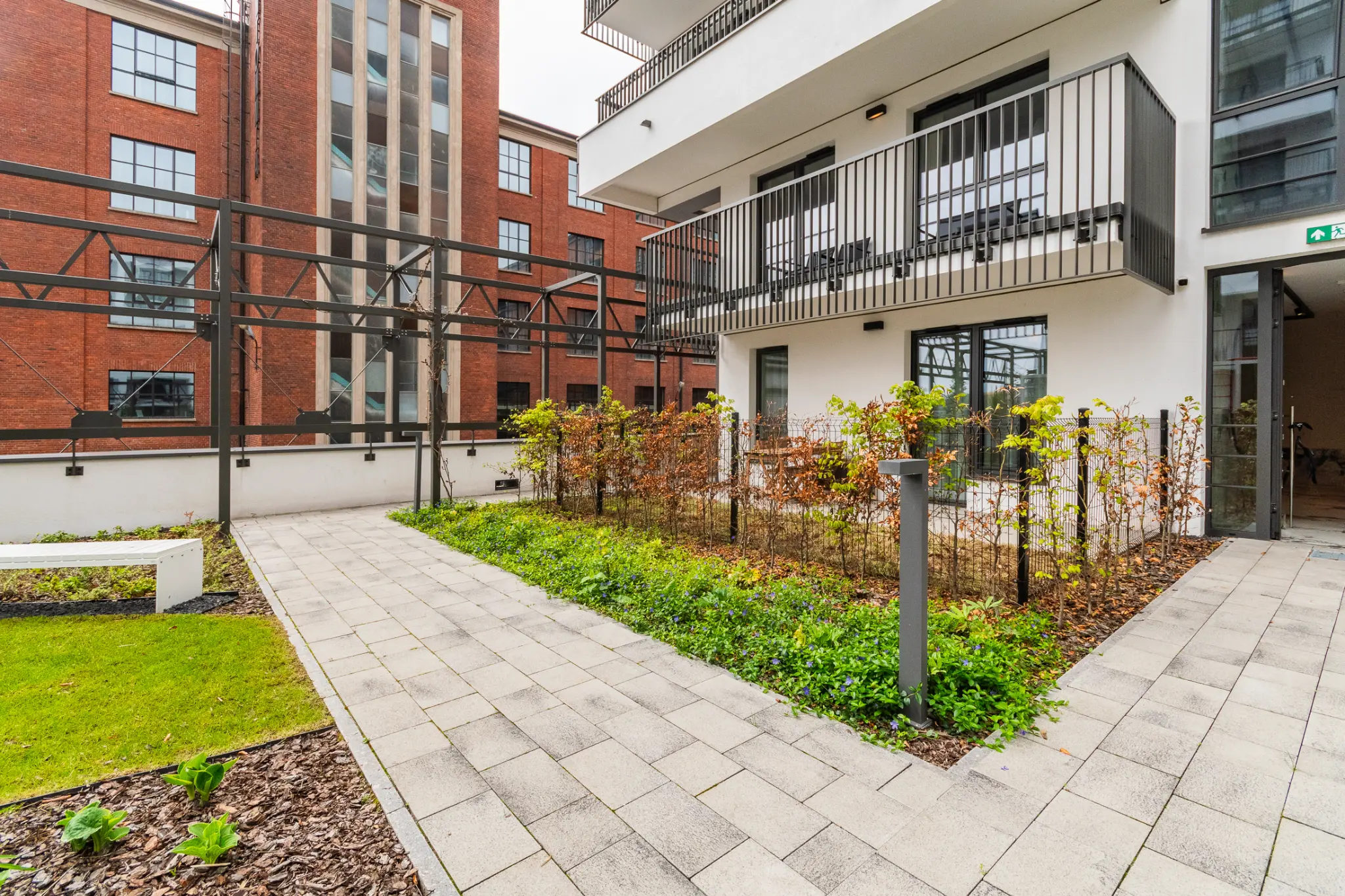
Rental readiness means more than completed finishing work
For a group of apartments, it is not enough to hear that all of them are “nearly finished.” It is worth confirming separately whether each unit can be prepared for a stay, photographed in its actual condition and handed over to the people responsible for operations. Missing a minor decorative item is different from a shower that does not work or an unresolved method of entry.
This is not about setting out the entire process for an individual apartment again. That process is described in the guide from keys to rental. With several units, the question is different: which obstacles affect only one apartment, and which hold up the whole batch? If they are all waiting for the same delivery, splitting them into stages will not solve the problem.
Assess each apartment using the same questions
Before deciding on the order, prepare a short checklist for each apartment. Do not rate readiness as a percentage, which may mean different things to a contractor and an operator. Record the specific outstanding item, the person responsible and what is required to close it.
- What currently prevents a guest from staying, and what can be postponed without changing the promised offer?
- What work, deliveries and owner decisions does the apartment still require?
- Who will confirm that these tasks are complete and that the apartment is ready to hand over?
- What resources will be needed for the initial preparation and for subsequent stays?
This means the first batch does not have to consist of the apartments handed over earliest. It can include those with the fewest unresolved dependencies. Nor should you automatically choose the most impressive apartment if launching it would take people away from two apartments that are already prepared.
Check the teams’ workloads, not just the owner’s
The timing of a joint launch needs to be considered alongside the availability of contractors, the people preparing the apartments and the team managing the rentals. Being able to photograph all the apartments does not mean there will also be someone available at the same time to fix outstanding issues, clean the units and check the furnishings.
Compare the specific tasks required during the relevant period. Ask who will look after the first batch once it is operating while the second batch needs intensive preparation. If the same people have to do everything, you need extra time or a smaller batch. Do not determine its size solely by the number of keys: two apartments with different furnishings may require more coordination than three similar ones.
When discussing portfolio management, it is worth agreeing on who is responsible for each stage and how readiness will be confirmed. The scope of cooperation and costs need to be agreed individually; they are not automatically determined by the number of apartments entrusted.
Launch together or in batches: choose a condition, not a date
A joint launch is worth considering when the apartments are at a comparable stage of readiness, tasks can be sensibly combined and the teams can handle the entire group. One photo session or a coordinated handover of furnishings may be convenient, but should not force you to accept guests in unfinished apartments.
Staggered launches are more sensible when some apartments are confirmed as ready while others are waiting for work with an uncertain completion date. In that case, set a planned date for the next batch and specify the conditions that must be met before it is launched. This makes it possible to distinguish a working schedule from the date the apartments will actually become available.
For a short-term rental offer, calendars also need attention. Airbnb lets you mark selected nights in an individual listing’s calendar as available or blocked.1 Do not open availability based solely on an expected delivery. For other channels, too, agree on who will check the dates before reservations are accepted.
A hypothetical group of six apartments: deciding the order without guesswork
Suppose an owner is preparing six apartments. Two are furnished and checked, two are waiting for carpentry repairs, and two still require decisions about furnishings. This is an organizational example, not a description of a specific client or a revenue forecast.
The first batch could be the two ready apartments, if the team confirms it can take them on. The second could be tied to completion of the repairs, and the third to deliveries and a furnishings check. However, you do not always have to launch two at a time: if one apartment in the second pair is ready sooner, you can change the order without bringing its neighbour forward.
The scale of preparing a group of apartments is illustrated by the Aura 40 project, which involved a team preparing six apartments from developer-standard condition to finished interiors. This does not mean they all began renting on the same date or achieved identical results. The number of apartments describes the scope of the project, not how they were launched.
Keep the schedule separate from the assessment of results
Record the rental start date and preparation costs separately for each apartment. Allocate the costs of shared work according to a rule agreed in advance. Otherwise, it is easy to confuse expenses for the entire group with those for the first apartments to begin operating.
Do not compare only the monthly revenue of an apartment launched on the first day of the month with one made available near the end of the month. Take into account the actual period of availability, differences between the apartments and the timing of stays. A staggered launch helps organize the work, but does not in itself guarantee higher occupancy or income.
Launch the next batch after reviewing the process
Before the next stage, check whether the handover of apartments, their preparation for stays and the flow of information are working as agreed. Address recurring issues, but do not wait for an arbitrary “good result” from the first batch. The criteria for launching the next apartments should be their readiness and the team’s capacity to manage them, not a promise of revenue.
If you are considering entrusting several apartments to GrandRent, start with a non-binding conversation about a specific apartment and show the preparation status of the others. The initial conversation about entrusting rental management is free of charge. It will allow you to discuss the order and scope of cooperation; any additional services require separate arrangements.
Technical sources
The article explains the rules and questions you should ask the operator. Rental results and cooperation terms require analysis of the specific apartment.