
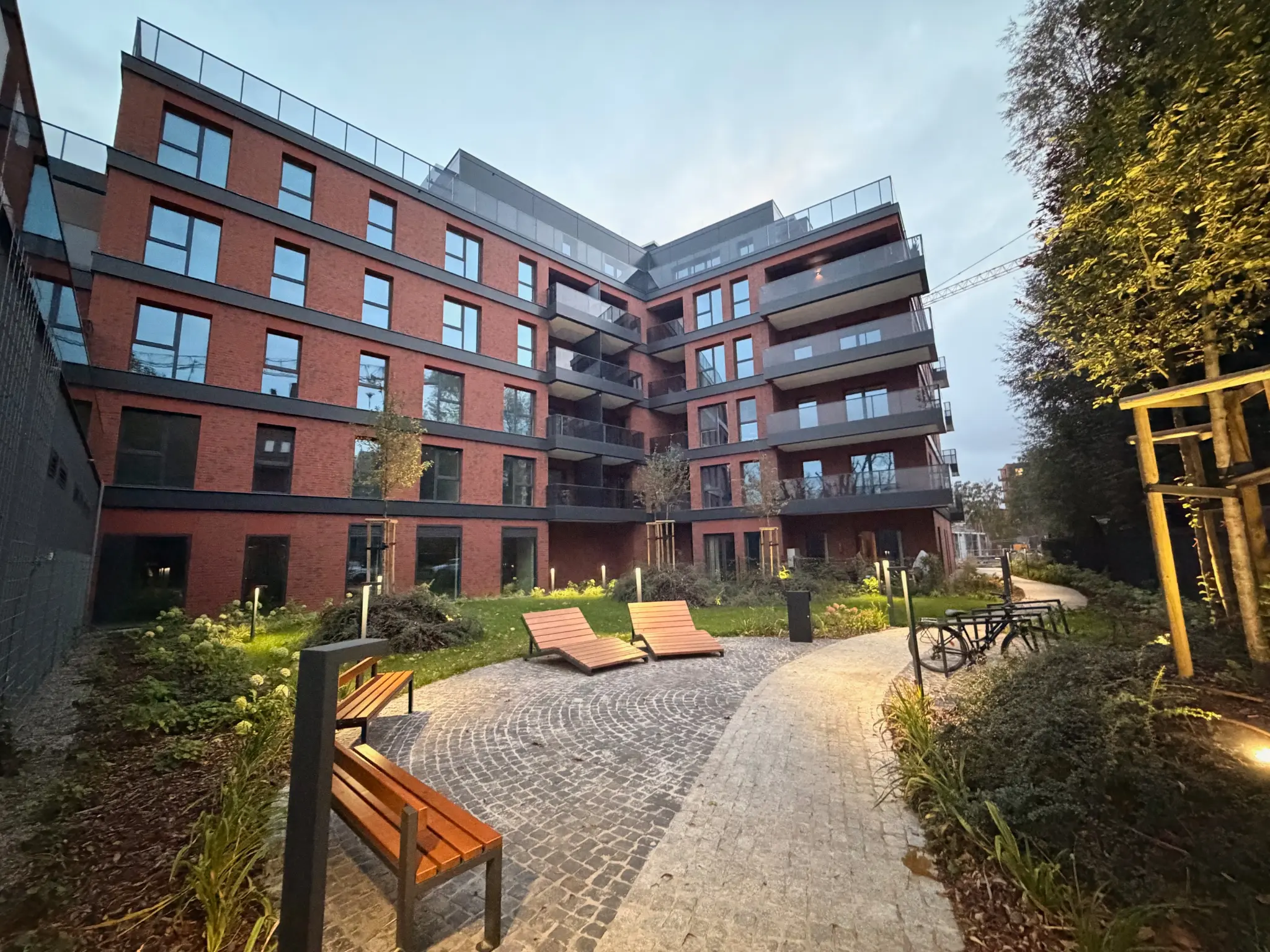
A guest asks whether they can bring two bicycles. The owner sees bike racks in the courtyard and instinctively wants to answer, “of course.” But the question might be about a lockable room, bringing the bikes into the apartment, or leaving them there after check-out. Each situation calls for a different arrangement.
What should you clarify before hosting guests travelling with bicycles? First and foremost, the specific storage location, whether guests may use it, the route for getting the bikes there, and the limit on the number of bikes. Only then is it worth confirming the terms of the stay. A bike rack alone is no promise that a bicycle will be protected, and agreeing to a guest’s arrival does not mean agreeing to let them leave their bikes anywhere in the building.
First, establish exactly what you are making available
An open bike rack, a shared bicycle storage room and a designated space in the apartment are not interchangeable options. Name the arrangement clearly in your listing. For a bike rack, say whether it is outdoors and covered. For a storage room, confirm who has access, how the guest will open it, and whether the space is allocated to the apartment or shared.
Do not assume that an arrangement available to the owner is automatically available to a tenant. Check the building’s rules and how access is provided. If availability depends on there being space, do not present it as guaranteed. A photo of the courtyard is also not enough to confirm that the guest may use every bike rack in view.
For an investor, this is something to check before buying. A bicycle storage room marked on a floor plan does not answer questions about who is entitled to use it or whether it is accessible day to day. For an existing property, it is best to walk the route in person and obtain any missing information from the building manager.
Check the entire route from the street to the storage area
Having somewhere to store a bicycle does not solve the problem if guests first have to negotiate stairs or a tight turn. Check the entrance from the street, doors along the way, thresholds and any lift. Instead of a vague claim like “easy access,” state any relevant limitations: a few steps with no ramp, a narrow entrance, or a section where the bicycle has to be carried.
Do not guess whether every type of equipment will fit. If a guest is travelling with a trailer, a cargo bike or unusually wide handlebars, ask for the dimensions and compare them with the actual route. Do not promise help carrying the bicycle in unless this has been agreed as part of the service.
Imagine an apartment on an upper floor with a lift and space for two bicycles in the hallway. If the lift doors make it impossible to bring in a particular guest’s equipment, the spacious hallway is of little use to them. This is a hypothetical example of an issue that can be spotted before a booking.
Agree on the number of bicycles and when they can be stored
The limit should be based on the space available, not the number of beds. An apartment for four people does not necessarily have room for four bicycles. Also check whether there is space for panniers and other luggage as well as the bicycles, without blocking a passage needed by other guests.
Before confirming an unusual arrival, collect four details:
- how many bicycles are coming and whether they have unusual dimensions;
- where they will be left overnight;
- how guests will get to that location;
- whether they need somewhere to store the bicycles before check-in or after check-out.
The last point is easy to overlook. Access to the apartment during the stay does not automatically mean there is somewhere to store equipment several hours before or after it. Do not promise this without confirmation. If there is no solution, it is better to say so before the guests arrive than to look for one while the next guests are waiting for the apartment.
Set rules for inside the apartment
If you allow bicycles to be brought into the apartment, specify where they should be stored. Do not leave guests to choose between leaning one against a bedroom wall or putting it on the balcony. The owner should also decide whether wet or dirty equipment is allowed inside and how the floor will be protected in the designated area.
The rules can be simple: remove dirt before bringing the bicycle in, do not lean equipment against furniture, and do not wash bicycles in the bathtub. Communicate them well in advance and without sounding suspicious. The aim is to make use of the property predictable, not to create an extensive set of rules for every possible situation.
Do not treat the stairwell as an emergency bicycle storage area. If the designated space turns out to be insufficient, agree on another solution rather than leaving equipment in an arbitrary part of a shared area. It is worth including these arrangements in the organisation of guest services, so the answer does not depend on who happens to receive the question.
Charging an e-bike is a separate arrangement
Permission to store a bicycle should not automatically mean permission to charge its battery. Ask whether the guest needs to charge it. The presence of a power outlet in the room alone is not enough to advertise the space as suitable for charging.
In its guide to its batteries, Bosch recommends, among other things, using a charger compatible with the battery, keeping the surroundings dry, and checking for visible damage before charging.1 These are the manufacturer’s recommendations for its system, not confirmation that any particular apartment is suitable. For other equipment, consult its instructions. If the owner has concerns about the electrical installation or the location, they should discuss them with an appropriate specialist before confirming that charging is possible.
Describe the arrangements without promising equipment protection
A good message distinguishes between the storage location, access and any limitations. Instead of saying “secure bicycle storage,” it is better to state that a shared, lockable bicycle storage room is available and explain how to access it. A locked door does not justify assuring guests that their equipment will not be stolen or damaged. Do not claim that there is supervision, insurance or exclusive access unless this has been confirmed.
If the property offers only an outdoor bike rack and does not allow bicycles inside, present both facts together. The guest may consider these arrangements adequate or look for another option. For guidance on the listing as a whole, see our guide to preparing an accurate description; here, the most important thing is to give a clear answer about the equipment.
Would you like to check what arrangements your apartment can actually offer to cyclists? Talk to GrandRent about your specific property and agree on the scope of service in line with the terms of cooperation. The initial conversation about entrusting us with rental management is free of charge. You can start with a simple question: where will the guest leave their bicycle, and how will they get there?
Technical sources
The article explains the rules and questions you should ask the operator. Rental results and cooperation terms require analysis of the specific apartment.