
You’re viewing two apartments for rental. In one, you can already sit on the sofa; in the other, you still need to plan the kitchen and bathroom. Should you buy a finished apartment or a unit in developer standard? If you want to limit the amount of organising, a finished unit may be the better choice — provided its layout and furnishings genuinely suit your rental plans.
Developer standard gives you more freedom to design the interior, but you need to plan the work and decide who will manage it. So don’t compare purchase prices alone. Also compare the tasks you’ll be responsible for, and the time needed to agree on and complete them.
Compare the scope, not the label in the listing
Start by establishing exactly what you’re buying. “Ready” may mean a finished apartment, but not necessarily a unit with furnishings that stay after the sale. Ask for an inventory. Check whether it includes kitchen appliances, beds, lighting and built-in units visible during the viewing. This helps you distinguish the condition of the interior from what the offer includes.
Developer standard also needs to be understood by consulting the specifications for the specific development. Resi Capital points out that the scope can vary between projects, including in the preparation of walls, floors and installations. 1 Don’t assume that work estimated for one unit will apply to another just because both have a similar floor area.
The label “turnkey” is no substitute for a list of included items either. For example, ROBYG lists fitted furniture as an option for extending the finishing service described. 2 So, for a specific offer, ask what’s included in the package, what costs extra, and what you’ll have to arrange yourself.
A finished apartment: less work, but will it need fewer changes?
The advantage of a finished interior is that you can assess what’s already there. You can look at the furniture layout, check whether it’s easy to move around, and see if the kitchen has enough storage. Before buying, note not only what you like, but also what you’ll leave unchanged. That is the part of the furnishings that reduces the work ahead.
Don’t rule out a unit because of the colour of the curtains if a minor adjustment is all it needs. Assess the apartment differently if you would need to remodel the kitchen or replace most of the furniture to accommodate the number of guests you have in mind. In that case, “ready” no longer accurately describes the preparation you’ll need to do. You’ll also need to arrange removal, disposal of furnishings and new orders.
A practical viewing doesn’t replace a technical inspection and a review of the documents. That’s what a separate pre-purchase inspection is for. Here, answer a different question: how much of the existing interior can you use in your rental plan without having to furnish everything from scratch at considerable expense?
Developer standard: flexibility requires decisions in advance
In a unit that needs finishing, you can plan the furnishings around a specific way of using it. Instead of adapting to someone else’s kitchen, you decide on its function and size. But this flexibility comes at an organisational cost: someone has to prepare a design, gather quotes, approve materials and make sure the orders match what has been agreed.
It’s worth starting with the functional layout and choosing the details later. The decision about bed size affects the space available for a wardrobe and a walkway. Planning the kitchen determines which appliances need to be ordered. If these choices are made separately, it’s easy to overlook that two items need the same space.
That’s why you can consider interior design before buying. At this stage, the aim doesn’t have to be choosing every lamp, but rather checking whether the unit can be furnished in line with your assumptions. The scope of the design and any further cooperation needs to be agreed separately.
Track project time and owner time separately
The time contractors need is not the same as your own involvement. A finished apartment may require little work, but involve many separate purchases and visits. Finishing a unit from scratch may involve more work, but fewer owner contacts if you entrust the organisation to one person under a clearly agreed scope.
Ask for a task sequence and mark which tasks depend on prior decisions. Ordering fitted furniture requires agreeing on measurements and a design; installation needs to be coordinated with preparing the room. Don’t put every task in the same time slot just because each one seems short on its own.
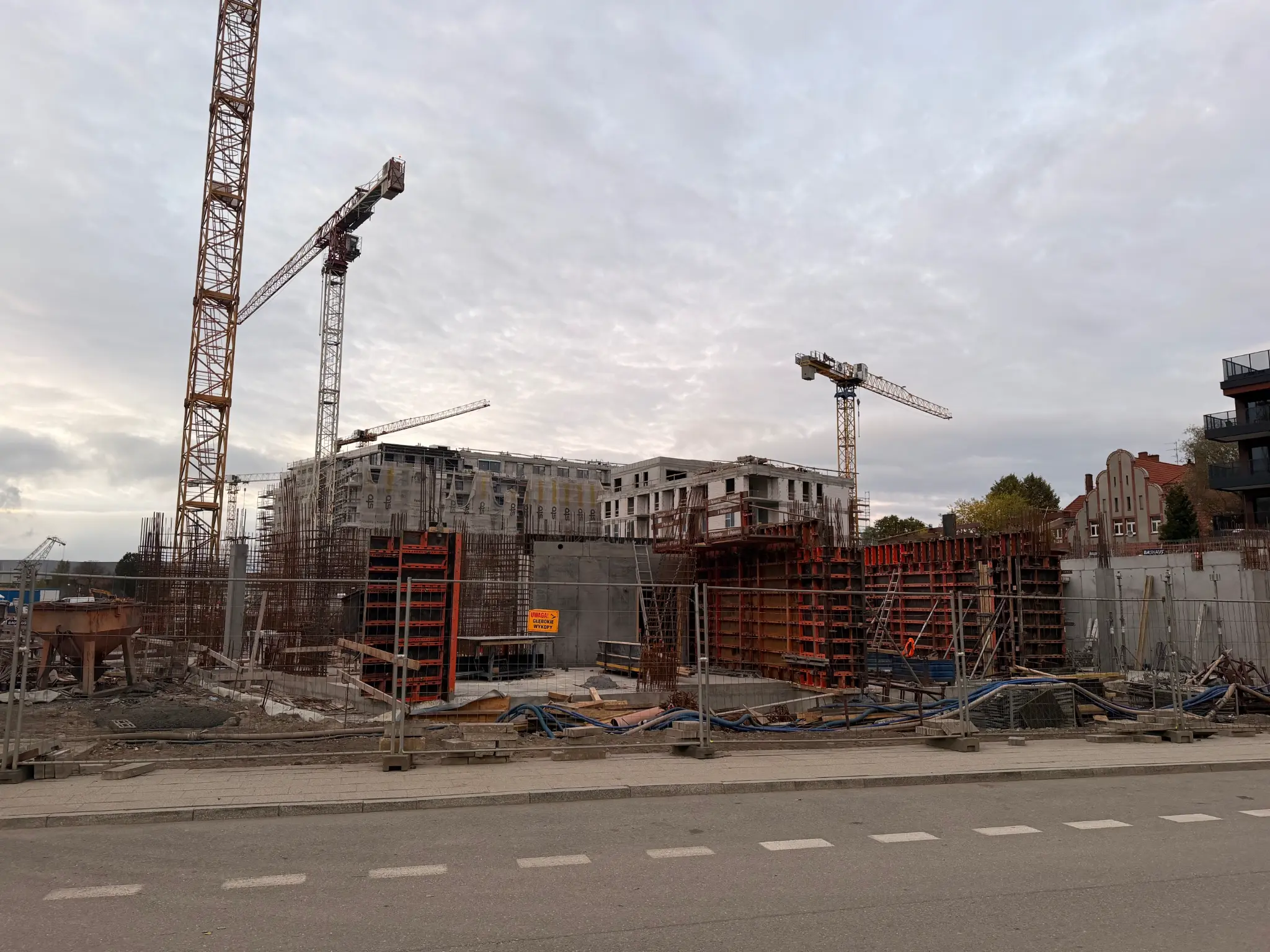
Also separate preparing the interior from waiting until you can access the unit. This guide does not specify a handover date for any development. For both offers, prepare a work plan starting from when the apartment is made available and covering the agreed tasks. Confirm the access arrangements for the specific unit rather than inferring them from the construction progress shown in a photo.
Compare the two offers side by side
For each unit, prepare a brief summary of:
- what you’re buying as part of the price and what still needs to be purchased;
- which tasks are essential and which are solely a matter of preference;
- who orders items, takes delivery and approves changes;
- what needs to happen first for the next task to begin.
Hypothetical example: an investor living outside Trójmiasto compares two units in Gdańsk. The finished apartment only needs some additional furnishings. The developer-standard option needs to be furnished throughout. If the owner doesn’t want to coordinate contractors, the first offer may better suit their circumstances. However, if the finished interior requires extensive remodelling, its organisational advantage is no longer clear.
Add quotes for the outstanding work and furnishings to your comparison instead of relying on a general “furnishing” budget. When comparing the options as a whole, a separate investment analysis may be helpful, with a scope agreed individually. A smaller workload alone does not determine whether a purchase is profitable.
Choose the option that suits your level of involvement
A finished unit is worth considering when you want to keep most of the existing features and the remaining tasks are clearly defined. Developer standard makes sense when you need a layout of your own and have decided how to organise the finishing work. Before deciding, ask yourself not only “Can I afford this?” but also “Who will see this scope of work through to the end?”
If you’re considering entrusting an apartment for rental management in Trójmiasto, talk to GrandRent about the specific unit. Prepare a floor plan, a description of the standard and photos, if available. The initial conversation about entrusting rental management is free of charge. Investment analysis, design and other services are charged separately, with the scope agreed individually.
Technical sources
The article explains the rules and questions you should ask the operator. Rental results and cooperation terms require analysis of the specific apartment.