
The apartment looks finished, but the contractor is waiting for a decision about one lamp, the designer considers their work complete, and the operator does not have all the information needed to welcome guests. The owner hears three different versions of the word “ready”. This is exactly why it is worth agreeing on what each one means before the rental begins.
How should you divide the designer’s, contractor’s and operator’s tasks before the rental starts? Assign each one a specific outcome, a way to check it, and a person who accepts the handover. The designer confirms that the agreed design is complete, the contractor confirms that their scope of work is finished, and the operator confirms that the apartment is ready to be managed. None of these confirmations replaces the others.
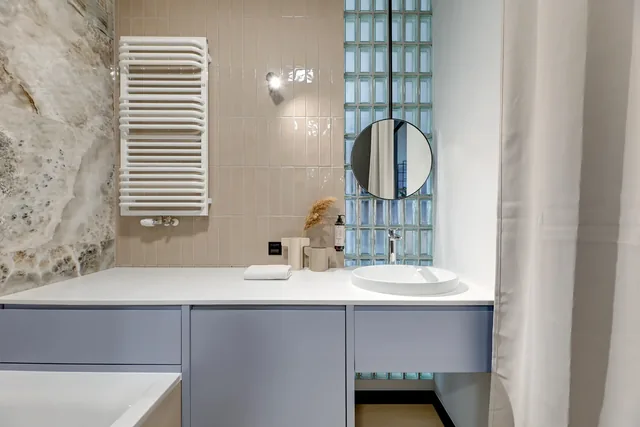
DOKI Living. Illustrative photo.
Set the boundaries first, then the deadlines
It is best to put the division of responsibilities in writing before ordering furnishings. It is not enough to agree in general that the designer “does the interiors”, the contractor “finishes the apartment”, and the operator “starts the rental”. You should also specify who orders the furniture, who accepts deliveries, and who checks whether the model purchased matches the approved selection.
The owner should appoint someone to gather decisions and oversee handovers. They can take on this role themselves or agree with one of the teams that it will do so. Do not assume that coordination automatically falls to the operator. The division below is a suggested way to organize the work; the actual scope of each party’s responsibilities must be agreed separately. The guide from keys to rental describes the broader sequence for preparing an apartment; here, we focus on what needs to pass from one set of hands to the next.
The designer hands over decisions, not just visualisations
A design is ready when the contractor can understand and carry out the agreed scope without guesswork. Useful handover materials include current drawings, a schedule of materials and furnishings, and a record of approved changes. Clearly distinguish selected products from those that are still proposals or whose availability needs to be confirmed.
The design stage should have a simple completion condition: the owner has approved the decisions, and the contractor has identified any outstanding information needed to carry out the work. If supervision or advice on substitutes is not part of the designer’s agreed scope, decide in advance who will make those decisions during the work. When planning interior design, it is also worth inviting the operator to discuss the practical use of the apartment. Their feedback, however, does not automatically constitute approval of the technical documentation.
The contractor confirms that their scope of work is complete
The contractor hands over the work actually completed, not just a message saying they have left the apartment. During a joint walk-through, it is worth comparing the result with the agreed scope, recording any discrepancies, and identifying items that need correction. The person accepting this stage should be appointed in advance by the owner; it does not have to be the operator.
The next team should receive information about the products used, device manuals, and documents provided with purchases or work, as agreed with the contractor. Keep the handover of this information separate from a specialist assessment of the installations. An ordinary walk-through of the interior by the operator is not a substitute for an appropriate technical inspection. If there is any doubt about how an installation works, commission an appropriate specialist to assess it rather than deciding based on a photo.
The operator checks that the apartment is ready to host guests
The operator views the apartment from the perspective of arrival, the stay, and preparing for the next visit. They need confirmed information about the furnishings, the agreed method of entry, instructions for using the appliances, and procedures for responding to reports. Within the agreed scope, they check whether a reliable listing description and operating arrangements can be prepared, but this does not mean they take over the designer’s or contractor’s tasks.
For example, Airbnb requires the listing description and photos to match the property and the listed amenities to be available during the stay 1. For this reason, the operator should not treat a planned delivery as furnishings already in place. The platform also allows hosts to specify a check-in method and add entry instructions 2. When handing over the apartment, it is therefore important not only to have the keys, but also to agree on and practically check the guest’s route from the building entrance to the apartment door.
The handover record should lead to a decision
One shared handover checklist may be more useful than messages scattered across several conversations. It does not have to be extensive. For each outstanding task, record:
- exactly what remains to be done;
- who is responsible for doing it and who will confirm the result;
- the agreed completion date;
- whether the outstanding item holds up the next stage or the start of the rental.
Attach the current version of the design, the furnishings list, and any necessary instructions. Share access information only with the people who need it, not in the public description of the apartment. A task should be considered closed only once the designated person has checked the result. A promise that “it’ll be done tomorrow” does not give the next team grounds to consider the matter complete.
A correction does not change responsibilities without agreement
Suppose, hypothetically, that a different cabinet from the one approved has been installed in the bathroom and the selected sink does not fit the new countertop. The operator notices the problem while preparing the apartment. That does not mean they should order the missing items themselves or approve the change in appearance. They should report the discrepancy to the person coordinating the work, who will agree on what happens next with the owner and the relevant team.
In this situation, a decision requires the solution, cost, and approving person to be identified. Only then can a new handover date be agreed. Also distinguish a minor aesthetic adjustment from an issue that prevents the apartment from being used normally. Not every comment will hold up all the work, but none should disappear from the list simply because the next team has started its stage.
The start of the rental needs separate confirmation
A completed design, accepted work, and prepared operations are three separate stages. Before making dates available, decide who confirms that these stages are complete and who makes the decision to start. If there are outstanding corrections, record how they affect use of the apartment and how they will be carried out. Do not base the date of the first stay solely on the expected date the crew will leave.
Would you like to agree on this division of responsibilities for your apartment in Trójmiasto? Read the terms of cooperation and talk to GrandRent about the specific property, its current stage of work, and the information needed to take over its management. The initial conversation about entrusting the property for management is free of charge. The scope of any further services and responsibilities must be agreed individually.
Technical sources
The article explains the rules and questions you should ask the operator. Rental results and cooperation terms require analysis of the specific apartment.