
The apartment is ready, the dishes are in the cupboards, and the bed linen is waiting for the first guests. The owner knows what they bought, but the person taking over its management sees only “kitchen set” and “bedroom set.” The first time someone asks for a spare towel, it becomes clear that this kind of list explains very little.
A useful inventory should answer three questions: what the item is, how many there are, and where they should be. It is worth adding a unit of measurement and the date checked for each entry. The aim is not to describe the entire apartment sentence by sentence, but to create a list that lets another person find an item and compare the actual condition with the agreed inventory.
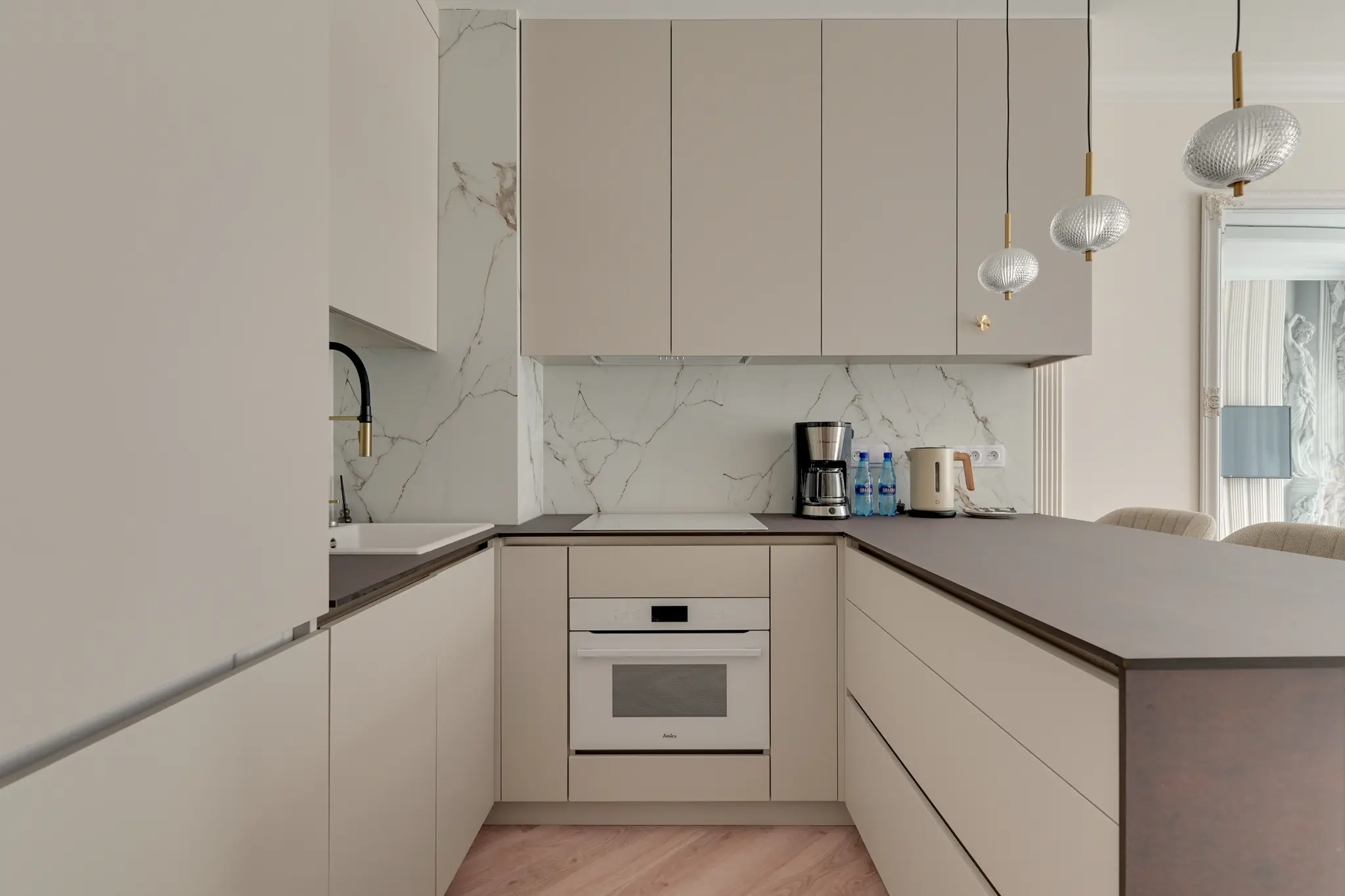
First, decide what the inventory covers
Start with the items that will remain in the property: furniture, appliances, dishes, textiles, and accessories used by guests or the management team. Remove the owner's personal belongings or clearly separate them from the items intended for rental use. A locked cupboard containing personal belongings should not appear in the inventory as accessible stock.
Also separate durable items from consumables such as paper, cleaning products, or coffee machine capsules. You can track these supplies separately. That way, you do not have to update the main inventory every time a roll is used. It is best to prepare the inventory once everything is in its intended place. For a broader look at the preparation process, see the guide on the transition from keys to rental.
Use names that distinguish items from similar ones
“Glasses — 12” is not enough if there are two different types in the cupboard. In a hypothetical apartment, clearer entries would be “tall, clear glass — 6 pieces” and “short, clear glass — 6 pieces.” For towels, include the size and colour; for bed linen, the duvet cover size; and for a saucepan, whether it has a lid. Do not add characteristics that do not help distinguish the item.
For appliances, record the manufacturer and model or product designation. Copy these from the available label rather than guessing from the appearance. For example, Bosch instructions state that the E-Nr product number is on the appliance rating plate.1 This identifier helps you identify the appliance precisely; there is no need to reconstruct its service history as part of the initial inventory.
Record locations so no phone call is needed
“Kitchen” is a useful room category, but it does not answer the question of where the bottle opener is. Add a specific, fixed location: “drawer under the hob, top” or “cupboard above the counter, left.” If there are several similar storage spaces, you can give them short labels and show them in a photo. Make sure the same description is used in every entry referring to that location.
Also specify where supplies are stored. “Bed linen in the apartment” does not say whether it is on the bed or in a locked utility cupboard. If some items are kept outside the property, record them separately and specify the agreed storage location. Do not count the same towels once as part of the apartment inventory and again as part of the shared storeroom.
Count individual items, not vague sets
A bed linen set can mean different combinations of items. In a hypothetical property with one bed, instead of writing “two sets,” you could list two duvet covers, four pillowcases, and two sheets, including their sizes. Similarly, six cups and six saucers are two separate entries. That way, a missing saucer does not disappear under the vague description “incomplete dinner service.”
Use a description to link items that should stay together. You can list a saucepan as “saucepan with matching lid — 1 set,” but specify what the set includes. For items that are kept in multiples, distinguish the quantity set out for use from the reserve. There is no single correct quantity for every apartment: it depends on the property's furnishings and the agreed management arrangements.
Each inventory entry should include:
- the item name and a distinguishing feature;
- the quantity and unit, for example, pieces or a described set;
- the room and exact location;
- the date checked and a brief note, if needed.
Photos help identify items, but do not replace counting
Take a photo of an open cupboard or a laid-out set when similar items are difficult to distinguish in words. Link the photo to specific entries, for example by using the inventory row number. A general photo of the kitchen shows the layout, but cannot establish how many forks are in a closed drawer.
Describe the initial condition objectively. If you notice an existing chip when the property is handed over, note it against the relevant item without attributing a cause or responsibility. This is different from establishing what happened in a later incident. A separate guide on documenting damage discusses how to collect evidence after a stay.
Agree on one current version and who will update it
The owner and the person taking over management should know which file is the current inventory. Agree who records replacements, additions, or relocated items, and when they do so. The note “bought four glasses” is incomplete if it is unclear whether they increased the stock or replaced four items that were taken out of use.
After a change, record the current quantity, location, and date, along with a brief note explaining the reason for the update. Keep the approved initial version as well. If you choose Google Sheets, its version history lets you review earlier changes; according to the documentation, this requires permission to edit the file.2 This is an organisational option, not a condition of working with GrandRent or a statement about the tool the company uses.
Hand over the inventory with the property, not after the first problem
Before management begins, walk through the rooms with the person taking over the property. Check a few ambiguous entries, count items that occur in multiples, and confirm access to supplies. The inventory should match what was actually handed over, not a shopping list or furnishing plan.
When agreeing on the scope of technical care and cleaning, it is also worth discussing how missing items should be reported and the inventory replenished. Do not assume that every task is automatically included in the management service. Would you like to entrust your apartment in Trójmiasto to GrandRent? Let’s have a no-obligation conversation about the specific property and its preparation. The initial conversation about entrusting us with rental management is free; the scope of any further services is agreed individually.
Technical sources
The article explains the rules and questions you should ask the operator. Rental results and cooperation terms require analysis of the specific apartment.