
You have two properties to choose from: a bright studio and an apartment with a separate, enclosed bedroom. The first looks more spacious; the second promises more privacy. Should you choose a studio or an apartment with a separate bedroom for rental? A studio is worth considering for stays when guests use the shared space at a similar pace. A separate bedroom matters more when one person wants to sleep while another is still working, eating or relaxing in the living room.
There is no need to decide based on floor area alone. Before buying, check which activities can take place independently and what happens to the living room once all the sleeping spaces are set up. This comparison will tell you more than the number of beds listed in the offer.
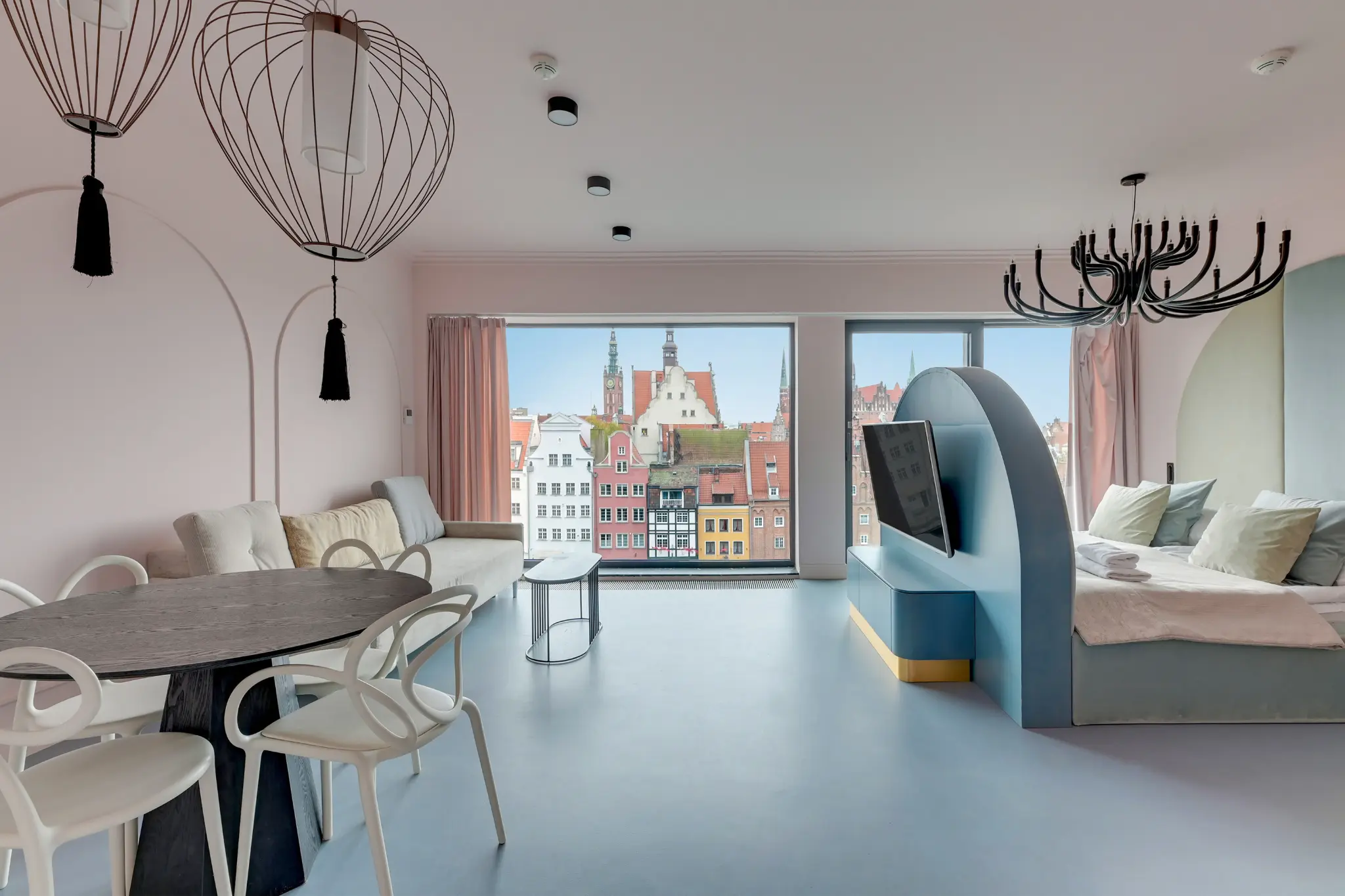
Start with the flow of the stay, not the number of rooms
First, define your rental plan: short stays for couples, family stays, work-related trips or long-term tenancy. Don’t treat these groups as rigid categories. A couple may need two separate places to relax in the evening, while someone travelling alone may have no need at all for a separate bedroom.
Imagine an ordinary day for your guests: morning coffee, returning from town, working on a laptop and getting ready for bed. Do they all do these things together? If not, mark on the floor plan the places where their needs overlap. Only then compare the properties. A general pre-purchase check remains a separate task; a good layout does not replace checking the other conditions of the investment.
When an open-plan studio makes sense
A studio does not have to be a compromise. If you expect a stay by one person or a couple who spend time together, an open space may suit that scenario well. More important than the absence of a wall is whether the bed is ready to use and the table and walkway do not require the furniture to be rearranged every day.
Hypothetical example: a couple comes to Gdańsk for a few nights, spends most of the day away from the property and relaxes together in the evening. A studio with a permanent bed and an accessible table may suit this kind of stay. This does not mean higher revenue or guaranteed interest. It simply shows that the apartment’s functions match the intended way of using it.
An open-plan layout is less convincing if its appeal relies on a photo of an empty living room that stops being a living room once the sofa bed is unfolded. Account for this change before deciding to buy.
What a separate bedroom actually offers
A separate room makes it possible to keep sleeping apart from everyday activities. Consider another hypothetical stay: one person goes to bed earlier while the other wants to finish working at the table. In that case, being able to close off the bedroom serves a specific purpose; it is not just another feature in the apartment description.
However, check where the kitchen, bathroom and entrance are. If you have to pass through the bedroom to reach a space you need, the layout may offer less independence than the floor plan suggests. Also, don’t assume that the mere presence of a door will ensure quiet. During the viewing, assess the actual layout and the conditions for using both rooms.
One bedroom does not mean two private bedrooms for colleagues. If the second person sleeps on the sofa in the living room, their sleeping space remains part of a shared area. The same applies to a family stay: a separate room will help separate bedtimes only if the other functions remain accessible.
Test an evening using the floor plan
When comparing offers, it is not enough to ask whether four people can fit. Ask how they will use the apartment once the beds are set up. Take the floor plan to the viewing and run a quick test:
- Mark every sleeping space as it would be when ready to use.
- Trace the route from each bed to the bathroom and the exit.
- Check whether the table and a place for luggage remain accessible.
- Identify where someone who does not want to sleep yet could spend time.
If your answers involve constantly folding, moving things or passing through someone else’s sleeping area, note this as a limitation. It does not have to rule out the purchase, but it should fit the rental plan you have consciously chosen. Before buying, don’t assume that furnishings added later will eliminate every weakness in the floor plan; furnishing mistakes can also provide useful context.
Compare the cost of the function, not the premium for the label
If an apartment with a bedroom costs more, identify the benefit you are paying for. It might be the option to keep the living room available for evening use, or to separate rest from work. If that benefit will go unused in your scenario, the number of rooms alone does not justify the premium.
Compare the purchase price, preparation requirements and ongoing costs of the two specific properties. Use the same assumptions and flag any unknowns. Don’t assume a bedroom automatically brings a revenue premium. An investment analysis can help organize these scenarios; it is a separate paid service with an individually agreed scope. Assessing the layout is part of the decision, not a standalone forecast of the outcome.
Describe the layout as it will actually be used
Before buying, consider how you will describe the property accurately. A partition that screens the bed is not the same as an enclosed room. The description should distinguish between a separate bedroom, an open sleeping area and an additional sleeping space in the living room, rather than leaving guests to guess.
This also matters on platforms. Airbnb requires the description to reflect the actual layout, including the number of bedrooms, bed sizes and level of privacy.1 The platform also lets you assign the type and number of beds to specific rooms or areas.2 These rules do not imply that one layout is better than another; they point to the need for an accurate listing.
Choose a property whose limitations you understand
A good studio may suit your plan better than an apartment with an impractical bedroom. A separate, enclosed room may justify your choice when it provides the independence you need. Base your decision on the flow of the stay and the costs of the specific property, not on a universal ranking of layouts.
If you are considering entrusting GrandRent with rental management in Trójmiasto, bring the floor plan and a description of how you intend to use the apartment. Let’s discuss what kinds of stays it suits and which limitations need to be taken into account. The initial conversation about entrusting us with rental management is free and nonbinding.
Technical sources
The article explains the rules and questions you should ask the operator. Rental results and cooperation terms require analysis of the specific apartment.