
The owner looks through photos of the apartment and pauses at two shots of the living room. The first shows the windows, table and surroundings of the building. In the second, the lamps are lit and it is already dark outside. Which one should go in the listing? You do not necessarily have to leave one out, but it is worth deciding what each one tells a prospective guest.
It is worth showing daytime and evening photos together when the evening shot adds specific information rather than simply repeating the daytime one in a darker version. Daylight should remain the basis for presenting the space and the view. An evening shot can show the atmosphere the apartment actually has, but it should not conceal what a guest would see if they opened the curtains.
A daytime photo is the point of reference
Start with shots that make it possible to understand the room’s layout, furnishings and relationship to the window. In its guide, Airbnb recommends photographing interiors when they receive the most natural light and opening the curtains.1 This is a good starting point for a photo shoot, but not a reason to suggest that the room looks this way all day.
If the living room is brightest in the morning, that is the time to take the main photo. However, do not use this as a basis for describing the entire apartment as “bathed in sunlight from morning to evening”. If light conditions are an important asset of the property, the caption can specify when the shot was taken. A good listing presentation combines attractive photos with information that remains true beyond the photo shoot.
Add an evening shot when it shows how the space is used
A second mood makes sense when it shows something relevant: a living room lit by the lamps used every day, a table set for a meal, or a balcony after dark. There is no need to photograph every room in the evening. A windowless bathroom may look almost the same at any time of day, so another shot will not tell guests anything new.
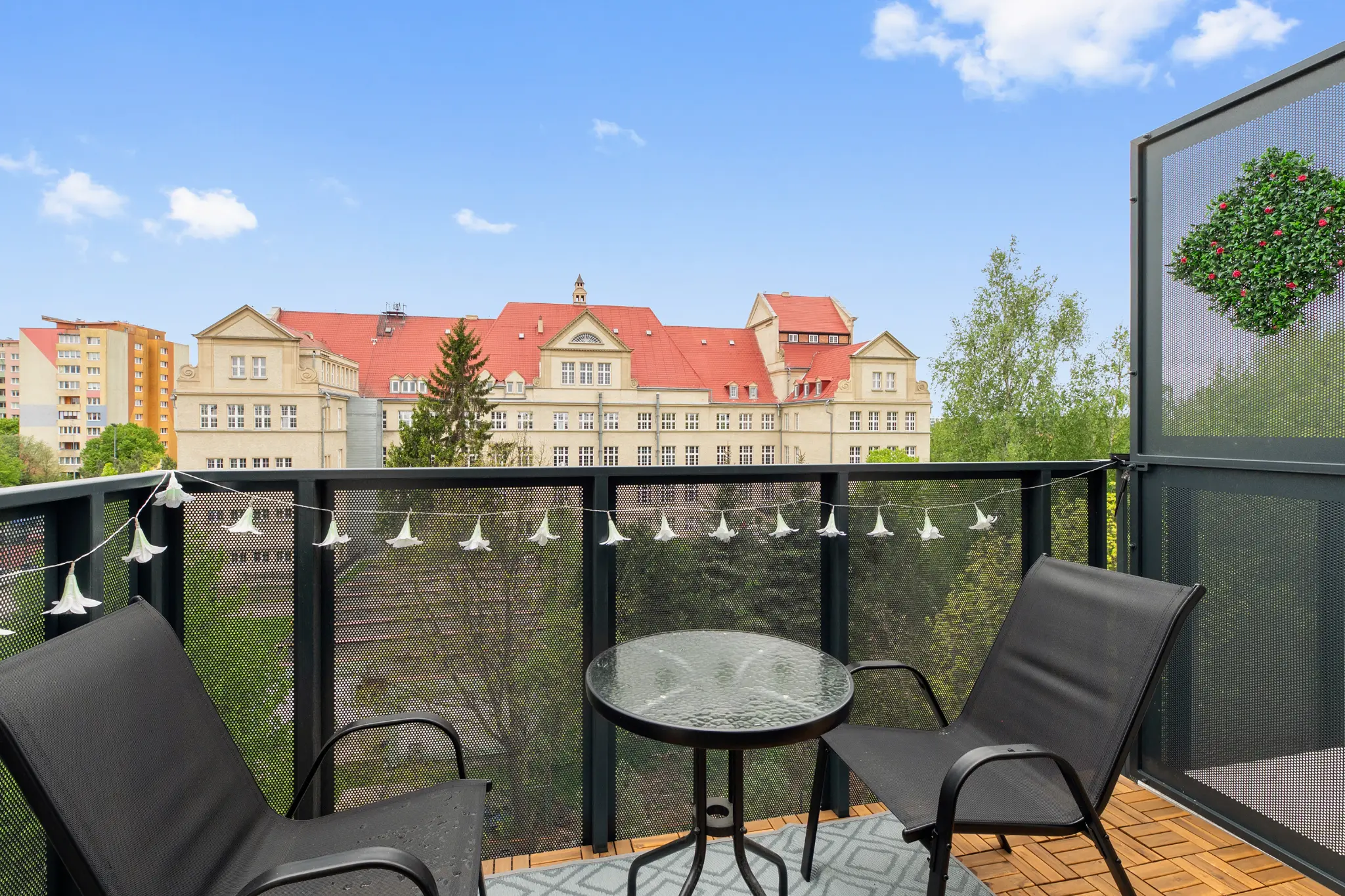
Imagine an apartment with a balcony and a small table. The daytime photo shows the seating area and the neighbouring buildings. An evening shot can add a view of the balcony under lighting that is genuinely available to guests. If the effect is created solely by decorations brought in for the photo shoot, do not present it as a permanent feature. Both moods should belong to the same property that guests can actually stay in.
Compare similar shots, not two different apartments
A useful pair of photos shows the same part of the interior from a similar position. In both shots, it is worth keeping the furniture arrangement and the window in view. This lets the viewer see the change in light instead of trying to work out whether they are looking at a different room. The shots do not have to be technically identical; the aim is to make the comparison clear.
The photos should also reflect the property’s current condition. Airbnb checks for this consistency in the photo verification process it describes.2 The practical takeaway for owners is simple: do not pair a recent daytime photo with an old evening shot showing furniture that has since been replaced. After changing the furnishings, check both versions rather than updating only the opening photo in the gallery.
Night should not change the promise about the view
Darkness outside can hide a neighbouring building, car park or courtyard from view. That does not, in itself, make an evening photo misleading. The problem arises when the entire gallery avoids showing the daytime view while the description suggests an open panorama. Show the surroundings from the place where the guest will actually see them.
The illustrative photo in this article shows a small table, armchairs and a building with a red roof. This daytime shot gives information about both the balcony and its surroundings. If an after-dark photo of the balcony were added to the gallery, it should not replace the shot that reveals the neighbouring buildings. For advice on explaining the conditions without making excessive promises, read our guide to what a reliable description should include.
Editing should improve clarity, not create new conditions
When choosing finished photos, check that brightening the image has not changed the character of the room. The aim is to show the furnishings, not turn a shaded interior into a sunlit living room. Do not remove the buildings outside the window or replace them with a different view. Likewise, an evening shot should not suggest lighting that is not actually there.
If the property does not look its best under the existing conditions, photography cannot solve the underlying problem. Possible changes are a separate matter, associated with a service such as interior design. At the presentation stage, the owner’s task is to show what is already there in an orderly, easy-to-understand way, not to hide limitations with eye-catching editing.
Plan for two times of day without doubling the entire photo shoot
Before meeting the photographer, choose the rooms where a second time of day would genuinely add something. Look at them yourself during the day and after dark. Make a note of what changes near the window, which features remain clear and whether a caption will be needed. That is enough to prepare a short brief rather than ordering two identical sets of photos.
The main points to agree on are:
- daytime shots that show the space and the actual view;
- one or more evening shots with a clear reason for including them;
- furnishings that will remain available throughout the stay;
- captions wherever the time of day or conditions need explaining.
You do not have to wait for an exceptional sunset if it is not needed to present the property. It is better to have a clear set of photos taken under ordinary conditions than to base the entire listing on a one-off effect.
Choose a gallery that answers guests’ questions
When arranging the photos, check that viewers can understand the apartment first and then look at its details and evening atmosphere. If two similar shots do not convey different information, keep the better one. If an evening photo is striking but does not let viewers assess the room, treat it as a supplement, not the only portrait of the interior.
Would you like to work out whether your property needs a few additional shots or a complete reorganisation of its photo gallery? We invite you to have a non-binding conversation with GrandRent about a specific apartment and its presentation as part of rental management. The initial conversation about entrusting the property to us for management is free of charge. The scope and cost of any further work are agreed individually.
Technical sources
The article explains the rules and questions you should ask the operator. Rental results and cooperation terms require analysis of the specific apartment.