
“The apartment must be clean” is a good starting point, but too general as an acceptance criterion. The owner and operator should share the same understanding of what it means for an apartment to be ready for the next stay. A brief description of the expected result, a distinction between routine and periodic tasks, and an agreed way to report specific shortcomings all help with this.
Describe the result, not just the task
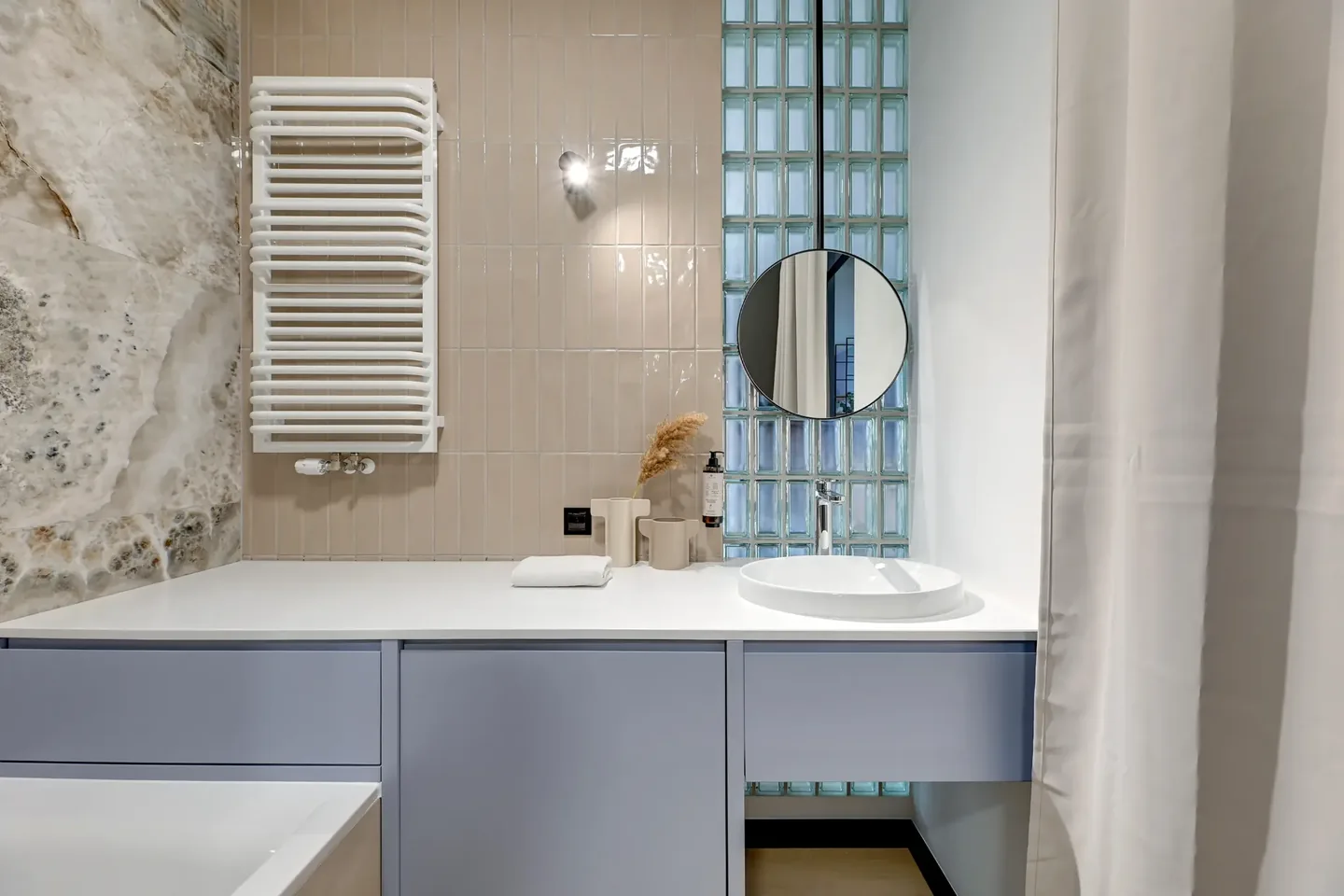
Simply ticking off “bathroom cleaned” says little about the result. It is much more useful to agree that the washbasin and taps should have no residue from toiletries, the mirror should have no visible streaks, and the shower enclosure should contain no hair or traces of the previous stay. A standard described this way makes it possible to assess the work without arguing over whether someone actually used a cleaning product.
The description should relate to the specific apartment: its furnishings, surfaces and textiles. It is worth specifying the number and placement of towels and how the beds should be prepared. The aim is not a lengthy set of rules, but a clear reference point for those preparing the apartment and checking the completed work. The scope of technical service and cleaning should be agreed rather than inferred from a general service name.
Check what the next guest will use
It is worth checking the completed cleaning in a consistent order. In the bathroom, check the sanitary surfaces, drain, floor and fresh towels. In the kitchen, check the worktop, sink, hob, dishes and fridge, which should contain no food left by previous guests. In the bedroom, clean bed linen, a properly prepared bed and no dirt on accessible surfaces are important. Throughout the apartment, pay attention to emptied bins, floors and places that are easy to overlook, such as the space under the table.
Appearance matters, but it is no substitute for cleanliness. A neatly folded towel should not have a stain, and a pleasant smell is not proof that dirt has been removed. Nor should odours left after the previous stay be masked with a strong air freshener. A recurring unpleasant smell calls for identifying the cause, not just wiping surfaces again.
It is useful to distinguish dirt from wear. Permanent discolouration of a fabric may require a different response from an overlooked stain. If a washed towel or pillowcase still looks unsuitable, it is worth agreeing to take it out of use rather than treating it as ready for a guest.
Separate changeover cleaning from periodic tasks
Preparation between bookings is intended to remove traces of the completed stay and get the furnishings and equipment ready for the next guests. Window cleaning, upholstery washing, mattress cleaning and thorough cleaning of hard-to-reach places are tasks that should not automatically be considered part of every clean.
The boundaries should be stated clearly. Routine removal of water marks from taps is not the same as removing deposits that have built up over a long period. For periodic tasks, the scope, cost and timing must be agreed, along with whether they can be carried out during a normal gap between stays. Their frequency should be based on the condition of the apartment and what has been agreed, not on an unconfirmed promise of a fixed schedule. It is worth including these distinctions in the terms of cooperation.
Report shortcomings in a way that allows them to be resolved
Example situation: after cleaning, dried shower gel remains on a shelf in the shower enclosure, although the rest of the bathroom looks as it should. Rather than reporting “the bathroom has not been cleaned properly”, it is better to specify the location, type of residue and when it was noticed. A photograph of just the affected section of the surface may help, provided it contains no personal data or guests’ private belongings.
The next step is to establish whether the shortcoming falls within the agreed scope, who will arrange for it to be corrected and when this can be done. Once it has been corrected, the same item should be checked. Confirmation should concern the result — the removal of the dirt or residue — not simply the information that someone has visited the apartment again.
If a similar oversight recurs, it is worth making the cleaning checklist or the way that particular area is checked more precise. This is more useful than a general reminder to be thorough each time. The method of checking and communicating information must be agreed; this does not automatically mean a separate inspection or a photographic report after every stay.
Agree a standard for your apartment
GrandRent arranges cleaning in accordance with the contract. Agreements concerning the apartment do not determine the standard of communal areas or the service provided for the entire building. Before starting to work together, it is worth discussing the expected result, the boundaries between routine and periodic tasks, and how reported issues will be handled.
The easiest way to discuss the expected standard is to focus on specific features of the interior. Ask GrandRent about preparing your apartment between stays if you are considering rental management in Gdańsk, Sopot or Gdynia. The first conversation about handing over the apartment is free. You can explain how you assess cleanliness and agree which tasks should be part of routine service and which require a separate quote.
Owners’ questions about checking completed cleaning
Are photographs enough to assess cleanliness?
They help check a specific detail or the arrangement of furnishings and equipment, but they do not show everything. They cannot confirm how the apartment smells or whether areas outside the frame are clean. The checking method should suit the apartment and the agreed scope of service.
Should washing the sofa be part of every clean?
This should not be assumed. Upholstery washing requires a separate agreement on the scope, cost and drying time. Fresh stains or spills should be reported straight away so that the action needed can be determined.
What if a shortcoming is noticed after the guest has arrived?
Give the operator specific information and agree on a possible way to correct the issue, taking the guest’s presence into account. Do not wait until the end of the stay or promise a time that has not yet been confirmed as feasible.
The article explains the rules and questions you should ask the operator. Rental results and cooperation terms require analysis of the specific apartment.